



Is AI Cold Calling Legal in 2026? US, EU, India & More
Updated at Sep 21, 2026
17 min to read
.webp)
Most people think cold calling is dead. Yet, the agents closing the biggest deals still rely on it. The problem is not cold calling itself, it is how it is done.
Endless dialing, wasted time, and rising costs make it feel broken. But take away the grind and what is left is one of the most powerful ways to connect with buyers and sellers.
That is where a smarter system makes the difference. AI cold calling for real estate keeps the strength of personal outreach but removes the pain.
This guide shows how it works and how to use it to grow.
AI cold calling for real estate uses artificial intelligence to automate the first stage of lead outreach. Instead of spending hours dialing numbers manually, AI systems make calls, follow scripts, and qualify leads automatically.
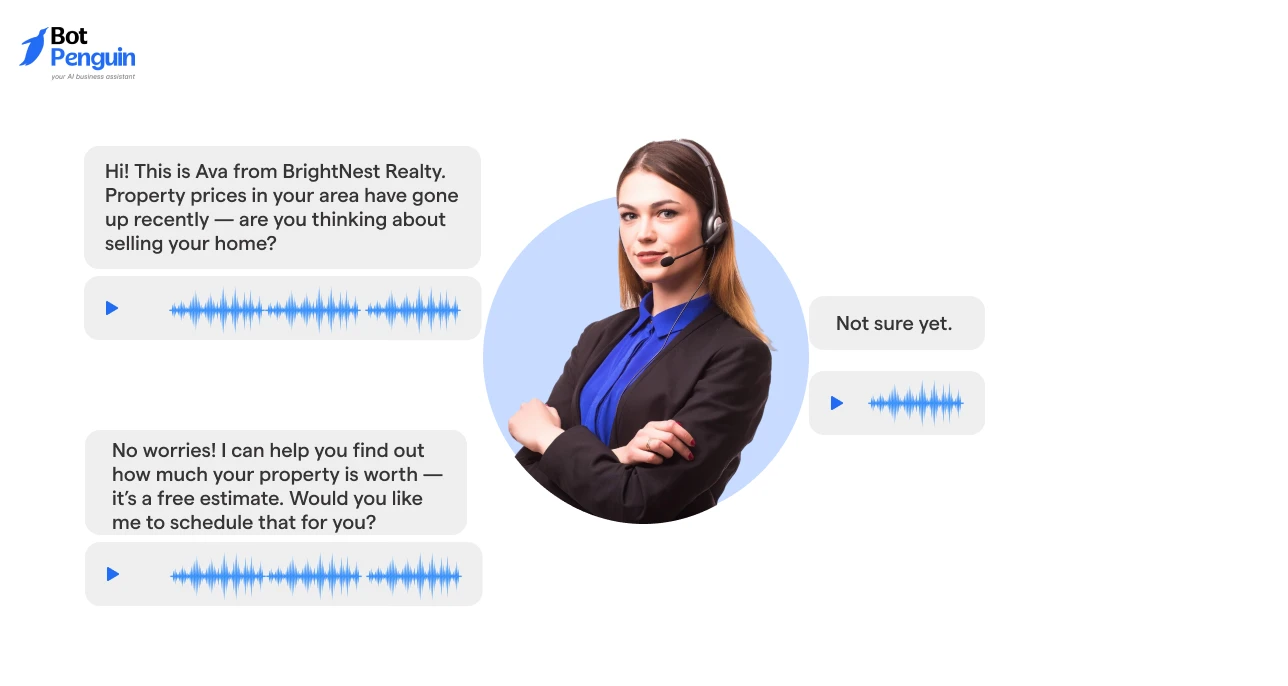
The system uses natural-sounding voice AI to engage with prospects, ask qualifying questions, and log responses into your CRM.
This technology eliminates repetitive tasks, ensuring consistent outreach to every lead, and speeds up the process significantly. It helps agents focus on high-value tasks like closing deals while the AI handles initial conversations, making it easier to qualify, prioritize, and follow up with leads.
AI cold calling real estate means using artificial intelligence to make outbound calls that were once done manually. Instead of one agent making ten calls an hour, AI can place hundreds. It follows a structured script, asks relevant questions, and records answers.
Traditional cold calling depends on a caller’s persistence and memory. AI brings consistency. Every call follows the same process, no matter how many are made.
For a brokerage, this means predictable results and fewer wasted hours. For a solo agent, it means more conversations without extra staffing.
Example: A broker running ads for new listings receives 200 inquiries. Without AI, the team may take days to respond. With AI, every lead gets a call the same day, and only qualified prospects reach the agent’s phone.
AI calling systems combine four parts:
Scenario: A lead fills out a property interest form. Within minutes, the AI dialer calls, greets them, and asks about budget and timeline. The system updates the CRM, tagging the lead as “ready to buy” or “not urgent.” The agent now has clear priorities without wasting hours on cold outreach.
AI cold calling does not replace real estate professionals. It clears the path so they spend time only where it matters: serious leads and negotiations. With the process explained, the next step is to understand why this approach is worth a professional’s attention.
For broader lead capture and qualification beyond outbound calls, BotPenguin's real estate chatbot supports property inquiries, buyer qualification, viewing bookings, and follow-ups across messaging channels.
Cold calling has always been a numbers game. More calls mean more chances, but also more time wasted. The issue is not whether cold calling works. It does. This issue is whether it can be done without draining energy and resources. That is why AI cold calling for real estate matters.
It takes the same proven method and makes it faster, cheaper, and more reliable. For agents and brokerages working in competitive markets, this difference can mean turning missed calls into closed deals.
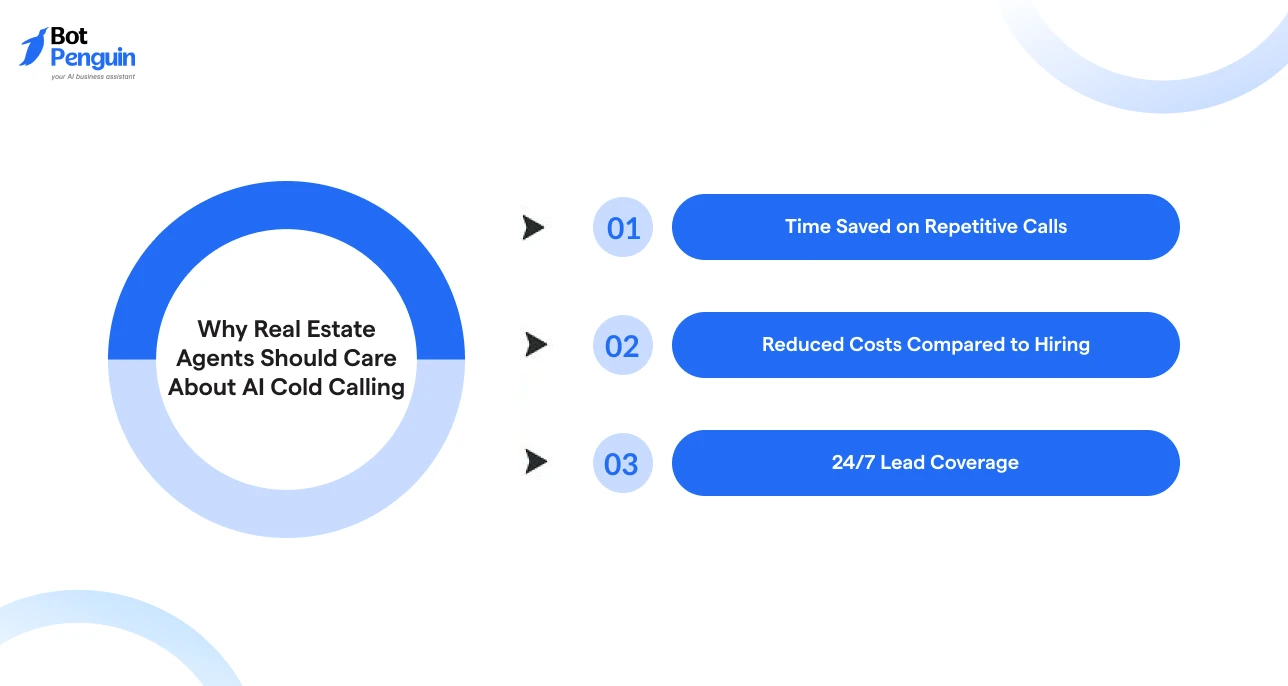
Manual cold calling limits how many people an agent can reach. One person may handle 30 to 40 calls in a day. An AI system can handle hundreds in the same time. The benefit is not just volume. Every call follows the same script, ensuring no detail is skipped.
Example: A solo agent receives 50 online inquiries in a week. Without AI, it may take days to respond. By the time the agent calls back, the lead has already moved on.
With AI cold calling real estate systems, all 50 get contacted within hours. The agent focuses only on the leads that respond positively.
Inside Sales Agents (ISAs) are often hired to handle cold calls.
They can cost $3,000 to $4,000 a month when including salary and training.
For smaller brokerages, this is difficult to sustain. AI replaces much of that expense.
Consider a mid-sized brokerage that spends on two ISAs. If an AI system takes over the first round of qualification, the company can either reduce staff or reassign them to tasks that need a personal touch.
The monthly software cost is usually far lower than maintaining full-time staff. That cost saving directly improves margins without reducing lead coverage.
Leads do not always arrive during office hours. A property inquiry might come late at night or early in the morning. By the time a human caller follows up, the lead is cold. AI solves this by working nonstop. Calls can be triggered instantly, regardless of time zone.
For example, a Dubai brokerage getting inquiries from European investors can respond within minutes. The AI makes the first call, collects details, and records interest. By the time the agent starts their day, the leads are already sorted by priority.
AI changes the way agents use their time, budget, and reach. It handles scale, cuts costs, and keeps opportunities alive at all hours. These benefits are strong, but the real value comes from how AI addresses specific pain points that slow down real estate sales.
If you are comparing calling automation with messaging-based AI, our real estate AI chatbot guide explains how chatbots handle property discovery, lead qualification, bookings, and follow-ups.
When evaluating AI cold calling real estate software, the key is not whether it dials faster but whether it helps agents close more deals safely and efficiently.
The right features should improve call quality, deliver actionable data, and integrate smoothly with existing systems. Here are four must-haves to look for.
Cold calling fails the moment a prospect realizes they are speaking to a machine.
A flat or robotic tone destroys trust. Real estate buyers and sellers expect a conversation that feels natural and human.
Leads are lost when data sits in silos. Without integration, agents must manually enter notes, increasing errors and delays.
A missed update in the CRM can mean lost follow-ups or double calls.
Without data, there is no way to improve. AI systems should not only place calls but also report what happens during them.
Analytics reveal patterns in lead behavior, script performance, and conversion points.

People rarely answer unknown or foreign numbers. Using local caller IDs builds trust and boosts pickup rates.
At the same time, ignoring compliance laws like DNC can result in fines and reputational damage.
The strongest AI cold calling for real estate platforms do more than automate dialing. They make conversations human, connect directly with CRMs, deliver analytics for smarter decision-making, and protect agents with compliance features.
These capabilities ensure that agents are not just calling faster, but building a reliable, scalable, and legally safe system. With the right features in place, the next step is knowing how to set up and launch AI cold calling step by step.
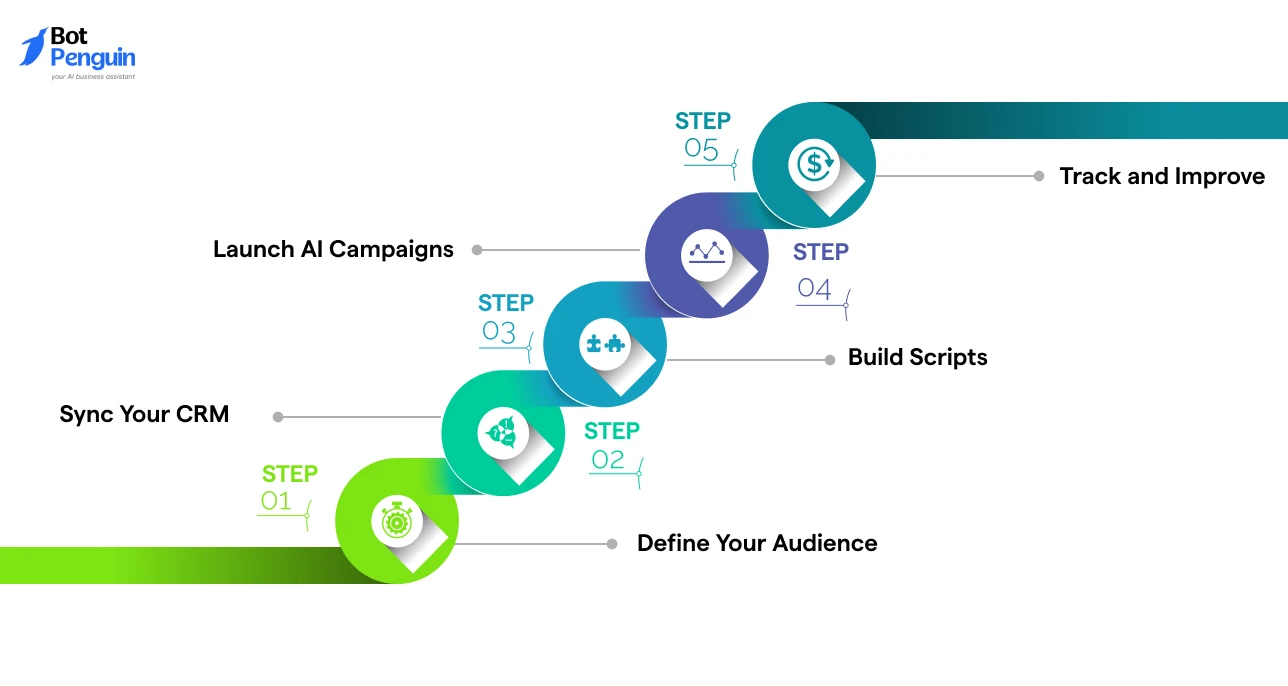
Having the right features is important, but the real win comes when you put them into action. Many tools make setup complex.
BotPenguin keeps it simple by combining AI voice, chat, and CRM syncing in one place. Here’s how to launch AI cold calling for real estate in five straightforward steps.
These steps show how BotPenguin makes AI cold calling real estate simple and effective. One platform handles setup, outreach, and optimization.
With this foundation ready, the next part is applying AI calling to specific real estate use cases where it delivers the highest value.
AI cold calling for real estate delivers speed and scale, but there are limits to be aware of. Here are the key challenges agents face when adopting it:
The limits of ai cold calling real estate are manageable with the right safeguards: compliance features, human-like AI, and proper onboarding. Address these, and the technology delivers its full value.
So, which tools stand out as the best options today?
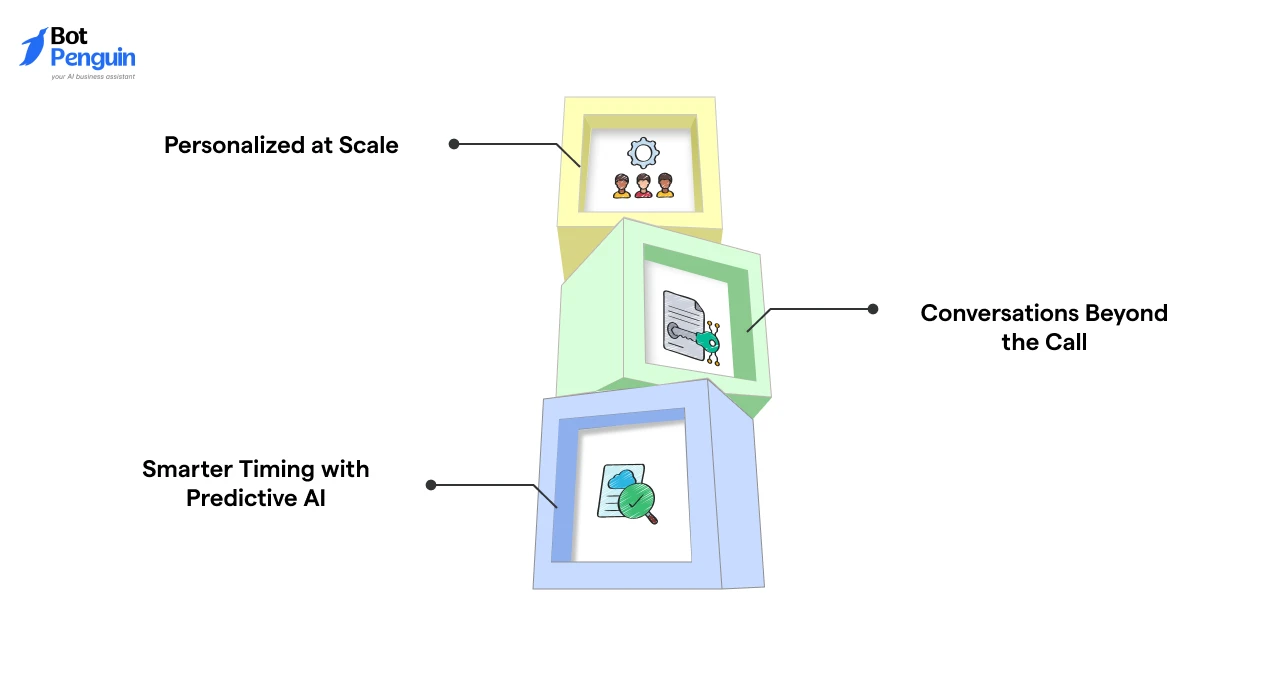
Real estate is moving into an era where cold calling won’t just mean dialing numbers.
The next generation of AI cold calling for real estate will predict when to call, use multiple channels together, and personalize every conversation as if the agent already knew the client.
This shift will turn cold calling into a precise, data-driven process instead of a volume game.
Future systems will use predictive analytics to decide the exact moment to reach out.
Instead of agents guessing when a lead might answer, AI will analyze patterns: past interactions, response rates, even regional habits to optimize timing. This means higher pickup rates and fewer wasted dials.
Voice will remain important, but it won’t stand alone. AI will unify calls, WhatsApp, SMS, and email into one seamless process.
If a lead doesn’t answer, the AI can follow up with a WhatsApp message or a text within seconds. This multi-channel approach ensures no opportunity is lost just because the first call went unanswered.
AI will pull from CRMs and property databases to tailor every call. Instead of a generic script, the conversation will adapt in real time: mentioning a buyer’s preferred neighborhood, budget, or timeline.
For prospects, this feels less like outreach and more like a personalized consultation at scale.
The future of ai cold calling real estate will be defined by precision timing, multi-channel engagement, and hyper-personalization. It’s not just about making more calls but making smarter ones.
And the agents who embrace this shift early will be the ones closing tomorrow’s deals. It’s clear where the industry is heading, and why getting started now matters.
The future of AI cold calling for real estate is clear: smarter timing, personalized conversations, and seamless multi-channel engagement. What used to drain hours and budgets can now be handled in minutes with precision and consistency.
For agents, this means less time chasing cold leads and more time closing deals. For brokerages, it means scaling outreach without hiring additional teams or worrying about compliance.
Those who adopt early will stand out in competitive markets. While others struggle with manual calls and missed opportunities, forward-thinking professionals will already be converting more leads at lower costs.
This is where BotPenguin makes the difference. It brings together AI cold calling, chat automation, and CRM integration in one platform—affordable, multilingual, and designed for real estate workflows. Instead of juggling multiple tools, agents get everything they need to qualify, track, and scale in a single system.
Stop wasting hours on manual outreach. Try BotPenguin today and experience how simple, effective, and scalable AI cold calling real estate can be.
AI cold calling for real estate automates lead qualification by asking predefined questions to gauge interest and suitability. This allows agents to focus on high-potential prospects, reducing time spent on unqualified leads.
Yes, AI cold calling for real estate systems can schedule follow-up calls based on lead responses. This ensures consistent engagement with prospects without requiring manual intervention from agents.
Yes, AI cold calling for real estate supports multilingual conversations and adapts to different time zones, making it an ideal solution for global real estate agents targeting international buyers and tenants.
By automating the initial outreach and qualification processes, AI cold calling for real estate reduces the need for large sales teams, allowing agents and brokerages to scale without additional staffing costs.
AI cold calling for real estate must include compliance features such as DNC list filtering and call recording to ensure legal adherence to regulations like TCPA, GDPR, and local laws governing telemarketing.
AI cold calling for real estate tools track key engagement metrics like response rates, call duration, and lead interest, providing agents with actionable data to optimize their outreach strategies and improve conversions.
Yes, AI cold calling for real estate can easily integrate with popular CRM platforms such as Salesforce, HubSpot, and property-specific CRMs, ensuring seamless workflow and data synchronization between calling and customer management systems.
Scale Your Real Estate Outreach
Automate AI cold calling and turn leads into clients effortlessly with BotPenguin.
Try BotPenguin FreeCheckout our related blogs you will love.
Updated at Sep 21, 2026
17 min to read

Updated at Sep 12, 2026
9 min to read
.webp)
Updated at Aug 19, 2026
11 min to read
Updated at Jul 3, 2026
16 min to read
Updated at Jul 3, 2026
14 min to read
Updated at Jun 16, 2026
15 min to read
Table of Contents
