



A Guide to Using LLMs for Customer Support Solutions
Updated at May 28, 2026
16 min to read


Large Language Models (LLMs) have transformed the way digital interactions occur, making it feel more natural and human-like. These models play a vital role in various industries from healthcare to finance to customer service.
LLMs are trained using vast amounts of data due to which they can understand and interpret human language accurately. They can be used for sentiment analysis, content generation, document summarization, text classification, and language translation.
This guide explores 10 practical LLM use cases that businesses can harness to stay ahead in 2025. From enhancing customer experiences to streamlining operations, these applications aren’t futuristic, they are happening now. Let us get started and explore the opportunities.
The use cases of LLM help businesses work faster and more efficiently. They automate tasks like customer support, document processing, and data analysis, reducing manual effort and improving accuracy.
Businesses can use them to detect fraud, assess risks, and analyze market trends. This allows teams to process large amounts of information quickly and make better decisions.
In customer service, LLMs provide instant responses, personalized recommendations, and 24/7 support, improving user experience while lowering costs.
By integrating AI into workflows, companies can increase productivity, cut costs, and streamline operations.
Large language models (LLMs) are enhancing efficiency, automating tasks, and improving customer experiences.
From personalized chatbots to content generation and data analysis, LLM use cases span multiple industries, helping companies streamline operations and drive innovation.
Here are ten practical applications where businesses can utilize the power of LLMs.
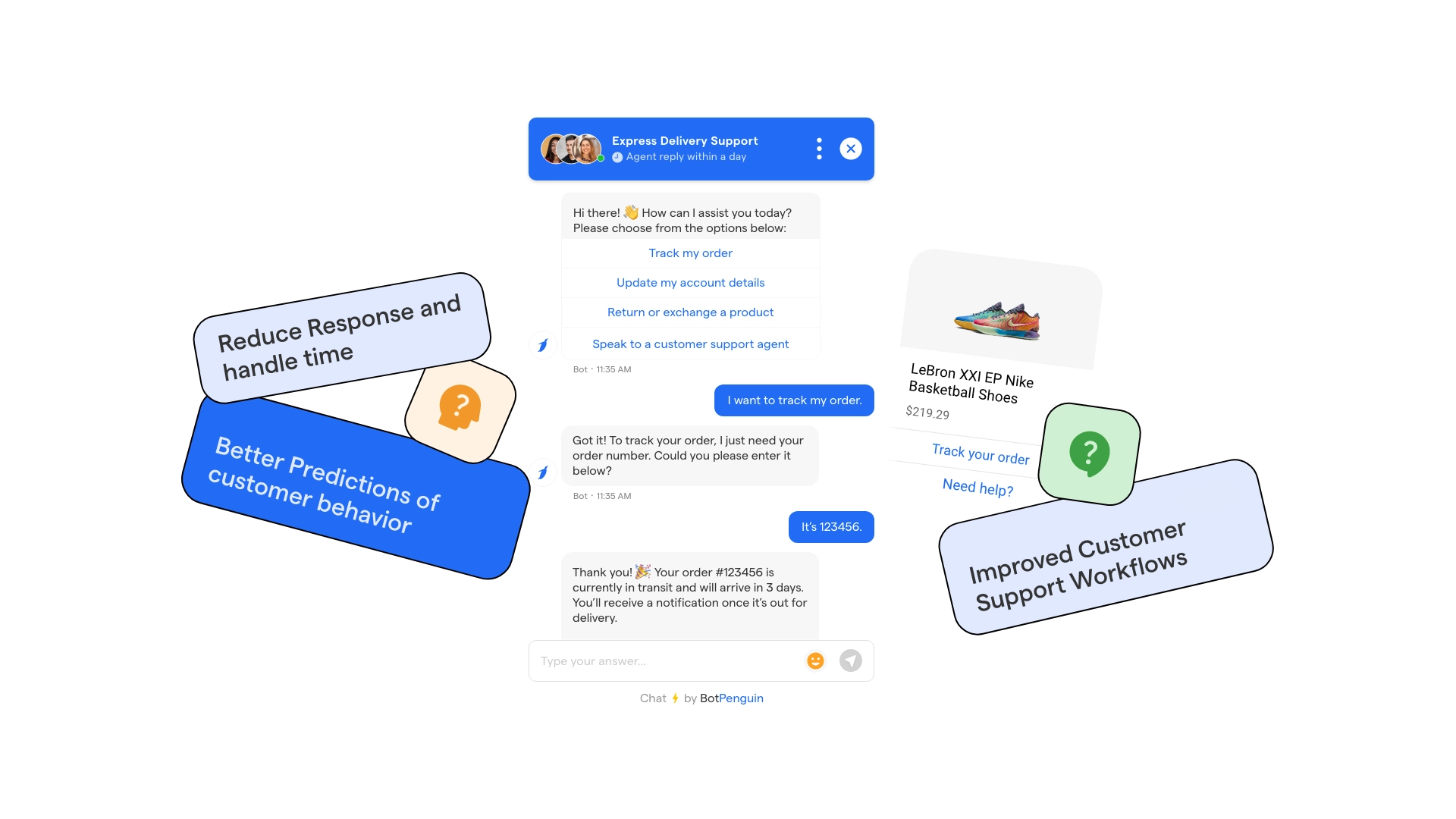
The future of customer support lies in automation, and LLM use cases are leading the way. Businesses are harnessing large language model use cases to provide seamless, efficient, and scalable solutions to customer queries.
Here is how customer support automation with applications of LLM can transform your operations.
Customer support automation uses applications of large language models to create intelligent chatbots and virtual assistants. These AI tools are trained to understand and respond to customer queries in real-time.
Unlike traditional scripts, applications of language models adapt to customer needs, offering context-aware and dynamic interactions. Platforms like BotPenguin, an advanced AI agent and chatbot maker, make it easy for businesses to deploy these intelligent solutions without extensive technical expertise.
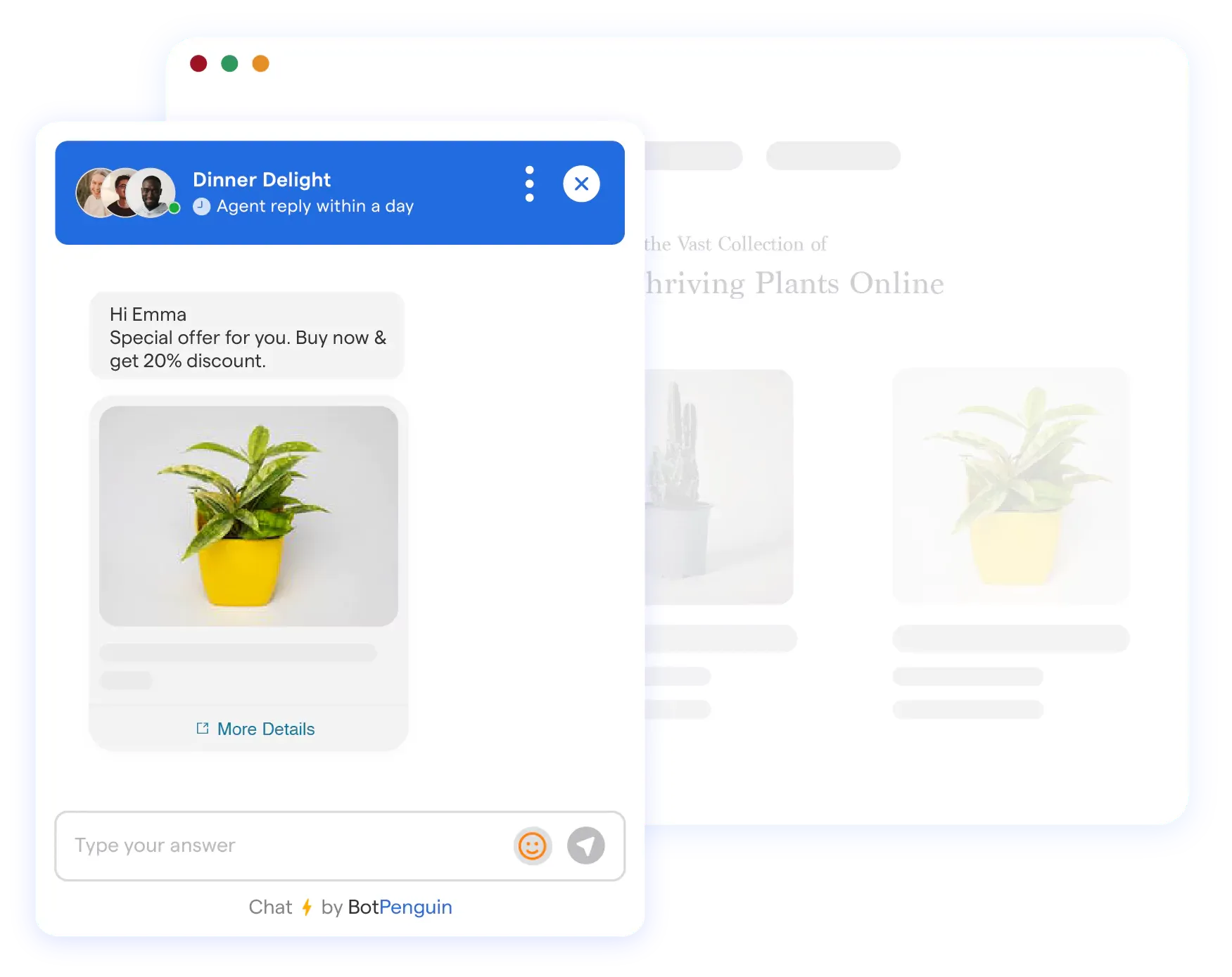
E-commerce platforms are a shining example of LLM business use cases in customer support. Many online retailers use applications of large language models to provide instant responses, assist with product recommendations, and guide users through the checkout process.
AI-powered chatbot platforms, such as BotPenguin, help businesses integrate intelligent automation into their support systems.
By enabling companies to build and customize AI chatbots, these platforms assist in handling routine queries, offering real-time assistance, and improving customer engagement.
While AI chatbots enhance response efficiency, human oversight remains essential for ensuring accuracy and a personalized user experience.
Customer support automation is one of the best LLM use cases for businesses looking to streamline operations and enhance customer experience.
By embracing this application of the language model, companies can achieve faster, more accurate, and cost-effective customer interactions. Platforms, such as BotPenguin, offer businesses a way to integrate intelligent automation into their support workflows.
These AI agents help manage routine inquiries and real-time assistance, allowing human teams to focus on complex customer needs.
Content creation is no longer a manual, time-consuming task. With the rise of LLM use cases, businesses can now automate writing processes, saving time while delivering tailored content.
Applications of Large language models (LLM) have redefined how marketing and communication strategies are executed. Here is how to tap into this transformative capability.
Content creation and personalization involve using large language models to generate blogs, email drafts, and social media posts.
These tools streamline repetitive writing tasks and produce highly targeted content tailored to individual audiences.
By integrating applications of language models, businesses can ensure consistency, creativity, and relevance in their messaging.
Marketing teams increasingly rely on LLM enterprise use cases to create email campaigns.
By using applications of large language models, AI-driven tools suggest templates, personalized greetings, and even tailor offers based on customer data. The result? Faster execution and higher engagement rates.
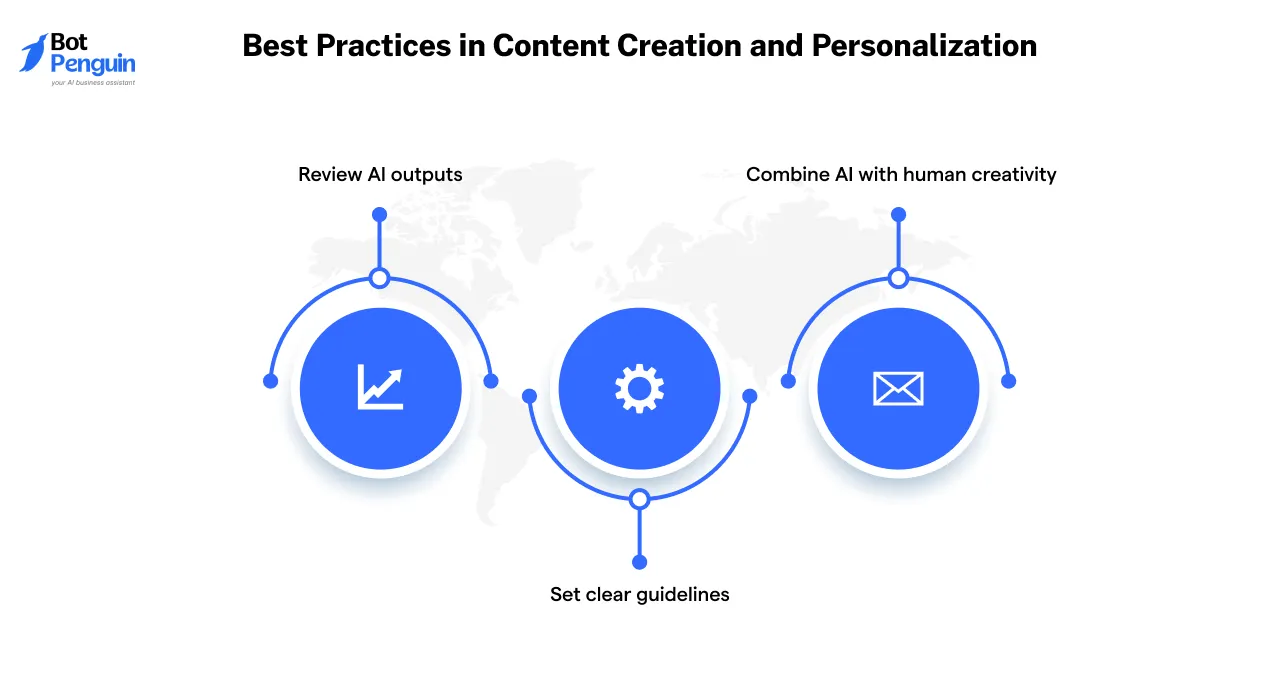
Among the best LLM use cases, content automation stands out for its ability to streamline marketing and enhance customer engagement.
By embracing this application of language models, businesses can stay competitive while delivering personalized, high-quality content efficiently. Don’t overlook this essential use case for LLM in your marketing toolkit.
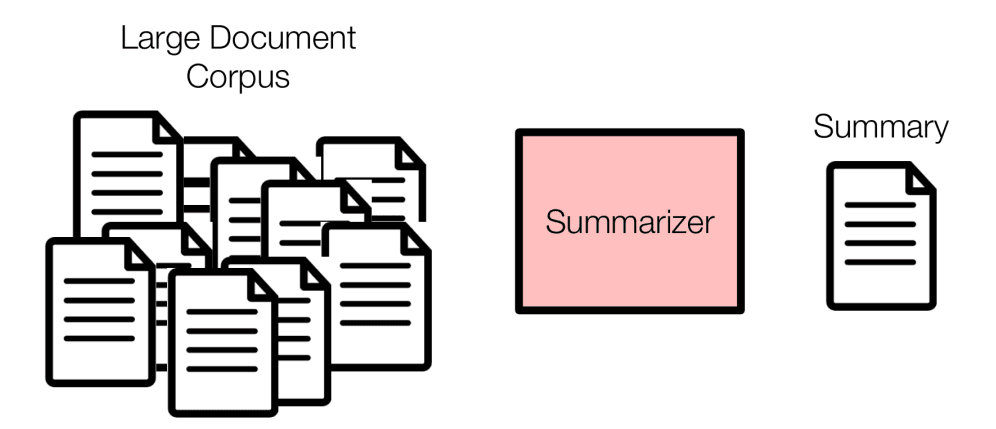
Reading and analyzing lengthy documents can be a tedious, error-prone process. With LLM use cases like document summarization, businesses can cut through the clutter.
Applications of LLM help professionals save time, minimize mistakes, and focus on critical decision-making. Here is why it matters and how to use it effectively.
Document summarization uses large language models to condense long reports, contracts, or research papers into concise summaries.
Instead of skimming through pages of text, these applications of large language models extract the most relevant information and present it in an easy-to-digest format.
Law firms represent a significant enterprise LLM use case, using applications of language models to summarize lengthy contracts.
Instead of spending hours manually reviewing clauses, legal teams rely on AI-driven tools to identify key points, ensuring faster and more precise decision-making.
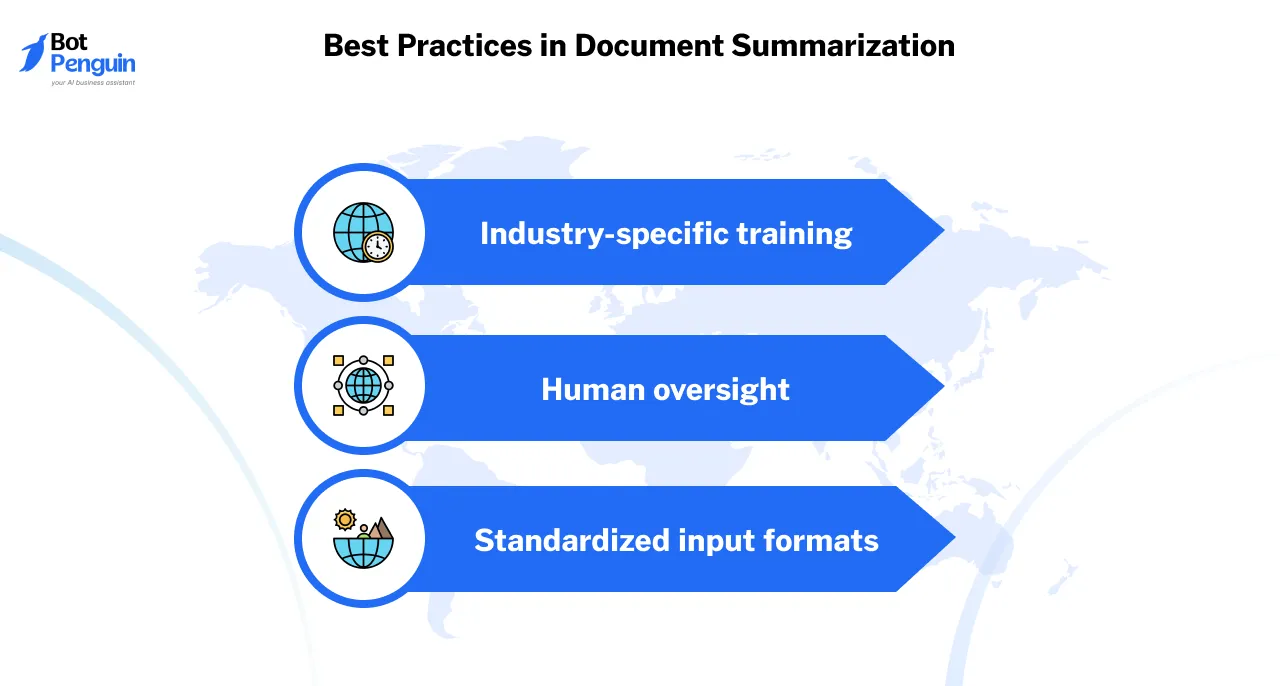
Document summarization is among the best LLM use cases, offering immense value across industries. By embracing this use case for LLM, businesses can simplify workflows, improve efficiency, and ensure accuracy in document handling.
From legal firms to corporate teams, this application of language model is a game-changer for organizations dealing with information-heavy tasks.
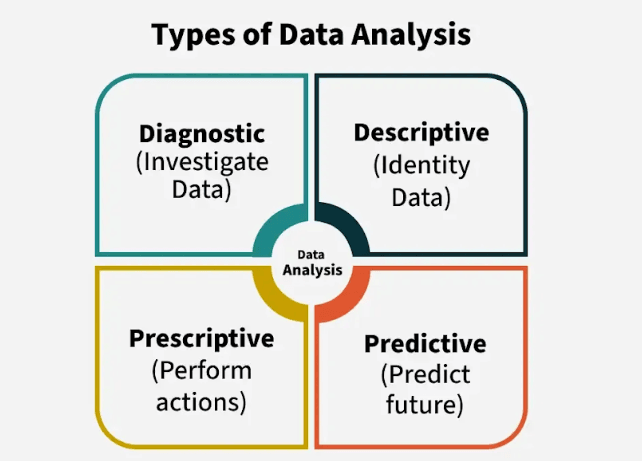
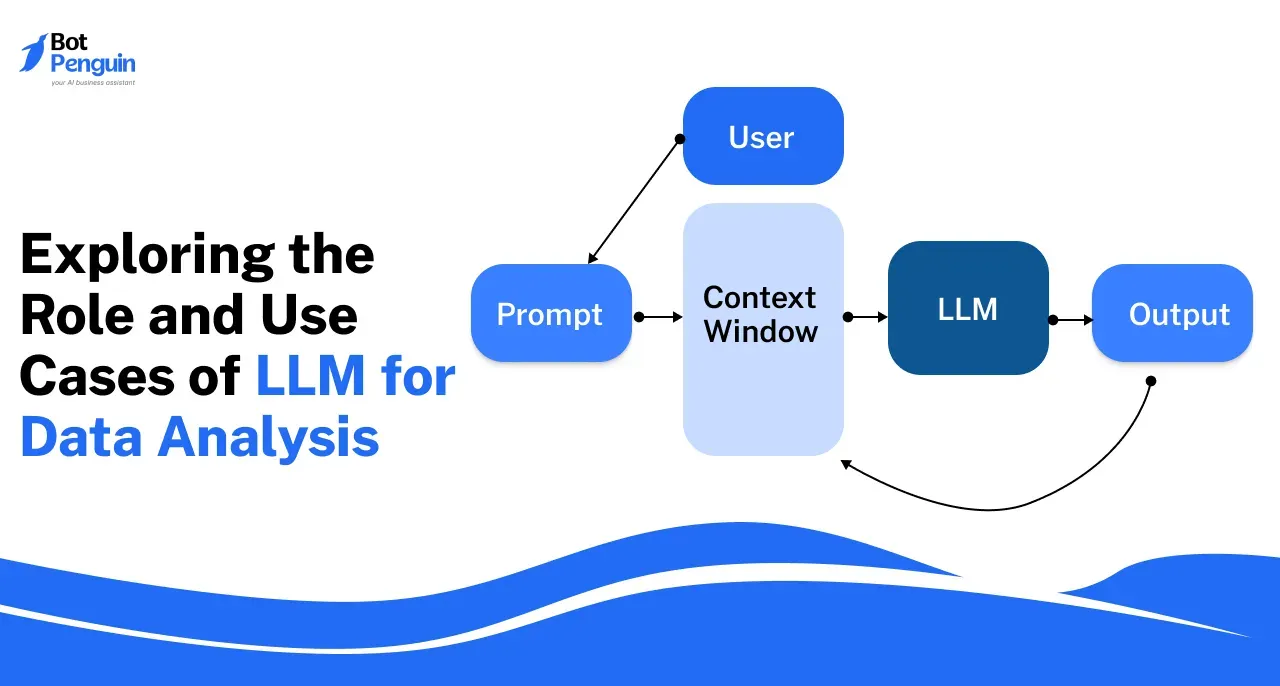
Understanding data is critical for business success, but analyzing large datasets can be overwhelming. LLM use cases in data analysis simplify this challenge.
By using applications of LLM, businesses can interpret data faster and more effectively. Here is how these use cases of LLM can transform your decision-making processes.
Data analysis with large language models involves using AI to sift through massive datasets and identify patterns, trends, and actionable insights.
This application of large language models is invaluable for making sense of unstructured data like customer feedback or market reports, transforming it into clear, actionable information.
Sales teams frequently utilize enterprise LLM use cases for customer feedback analysis.
AI tools powered by applications of large language models can scan reviews and comments, extracting themes like customer satisfaction, product issues, or emerging preferences. This insight allows companies to tweak strategies and products accordingly.
Data analysis and insights are among the best LLM use cases, providing a way to make data-driven decisions without being overwhelmed by complexity.
By integrating this application of language model into your workflow, you can unlock new efficiencies, spot trends, and stay ahead of the competition. This use case of LLM proves that AI can turn data into one of your greatest assets.
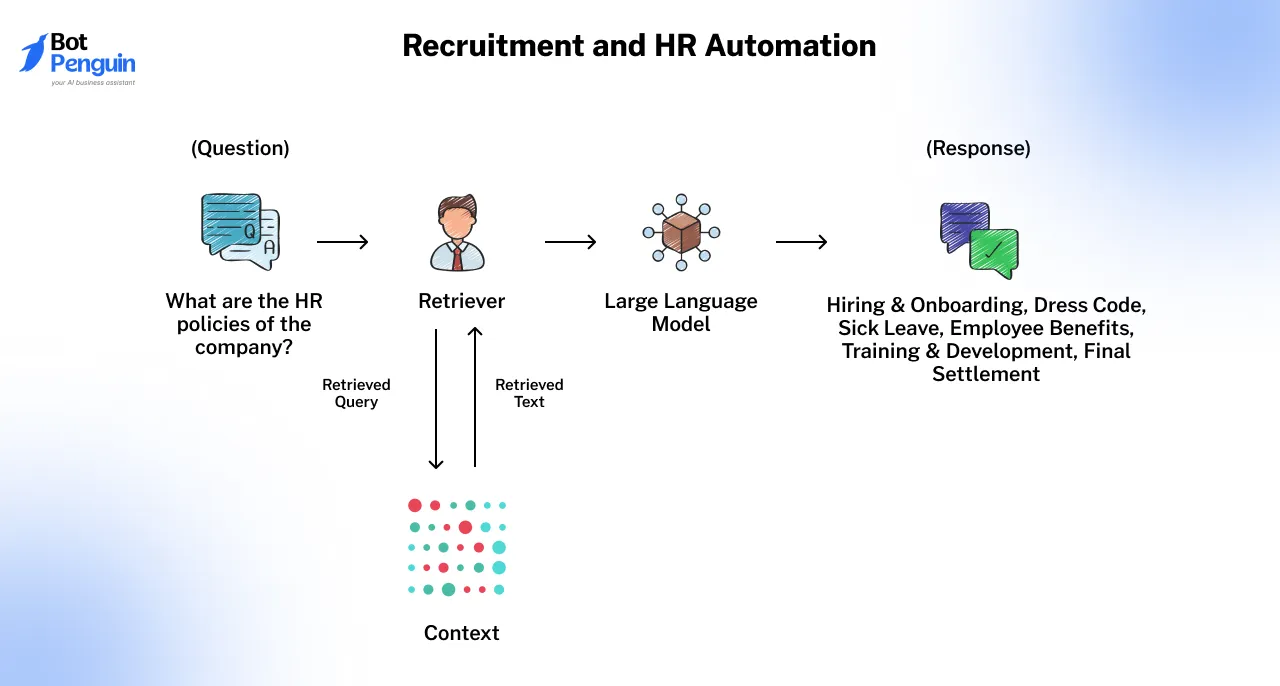
Recruitment is time-consuming, but LLM use cases are changing how HR teams work.
From screening resumes to drafting job descriptions, applications of LLM assist HR teams by automating repetitive tasks, allowing them to focus on higher-value activities like candidate engagement and culture fit assessments.
However, LLMs do not replace human decision-making, they function as assistive tools that support, rather than fully automate, recruitment processes.
Let us explore how businesses can use large language models use cases to transform recruitment and HR workflows.
Recruitment and HR automation use applications of large language models to handle repetitive tasks like parsing resumes and generating job descriptions.
This application of language models enables HR teams to focus on strategic priorities while AI takes care of the groundwork. However, this application of language models is not a substitute for human HR professionals.
It augments workflows by handling data-heavy and repetitive tasks, allowing HR teams to make more informed hiring decisions.
Companies using AI-powered tools for resume parsing highlight an effective use case of LLM.
These tools analyze resumes for keywords, skills, and experience, to help shortlist candidates, making it easier for HR teams to manage high application volumes.
However, human review is still required to ensure that qualified candidates are not overlooked due to AI misinterpretation.
Recruitment automation is one of the best LLM use cases, offering significant time and cost savings for HR departments.
By integrating this application of LLM, businesses can optimize their hiring processes, focus on strategic initiatives, and create a more effective HR ecosystem. This is a critical enterprise LLM use case for modern workplaces striving to stay competitive.
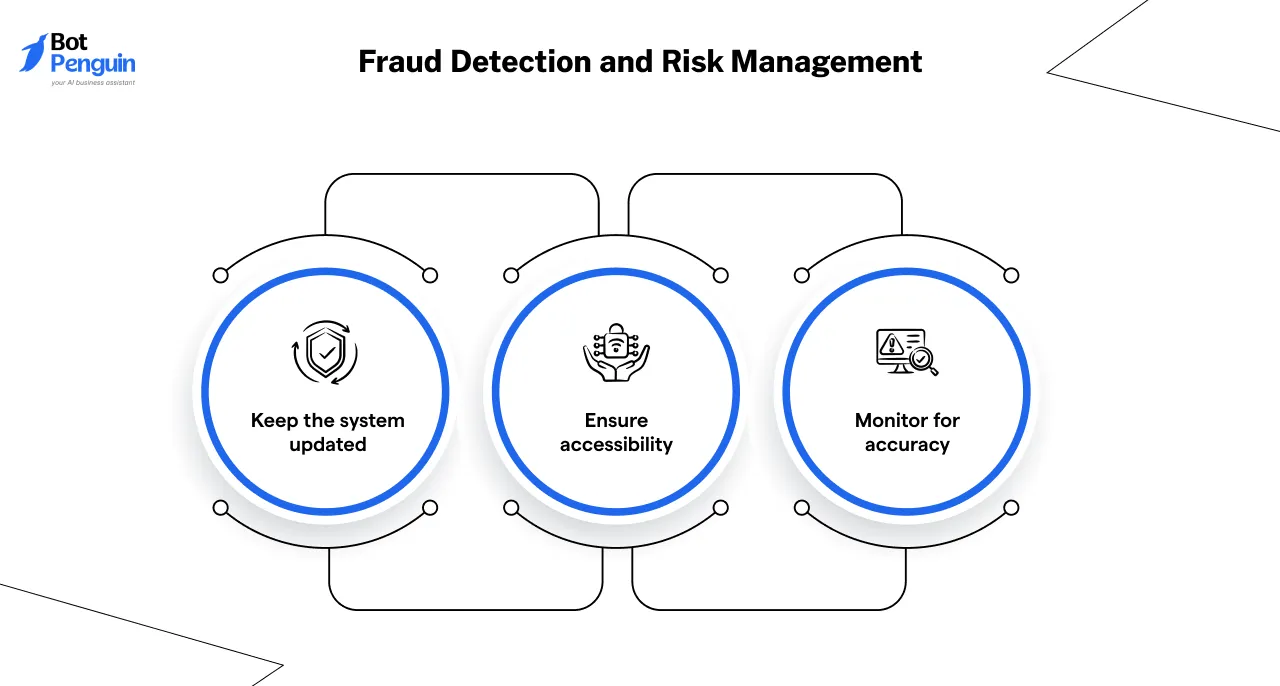
Fraud is a growing challenge for businesses, and traditional detection systems often struggle to keep up with evolving threats.
LLM use cases offer a complementary approach by assisting in pattern recognition and anomaly detection rather than fully replacing human-led fraud investigations.
Here is how large language models can enhance fraud detection and risk management.
Fraud detection and risk management involve using applications of large language models to support the analysis of transaction patterns and behaviors for signs of irregularities.
These large language models use cases help prioritize and flag potentially suspicious activities for further investigation, reducing manual effort while improving efficiency.
Banks are leading adopters of this enterprise LLM use case.
They utilize applications of language models to monitor account activity and flag suspicious transactions, such as unusual withdrawal patterns or rapid fund transfers. This ensures timely action to prevent potential fraud.
Fraud detection and risk management represent some of the best LLM use cases for enhancing security and minimizing financial losses.
By using this application of language model, businesses can protect themselves against evolving threats while ensuring efficient and accurate detection processes.
This use case of LLM is a vital tool for any organization looking to safeguard its assets in a complex digital landscape.
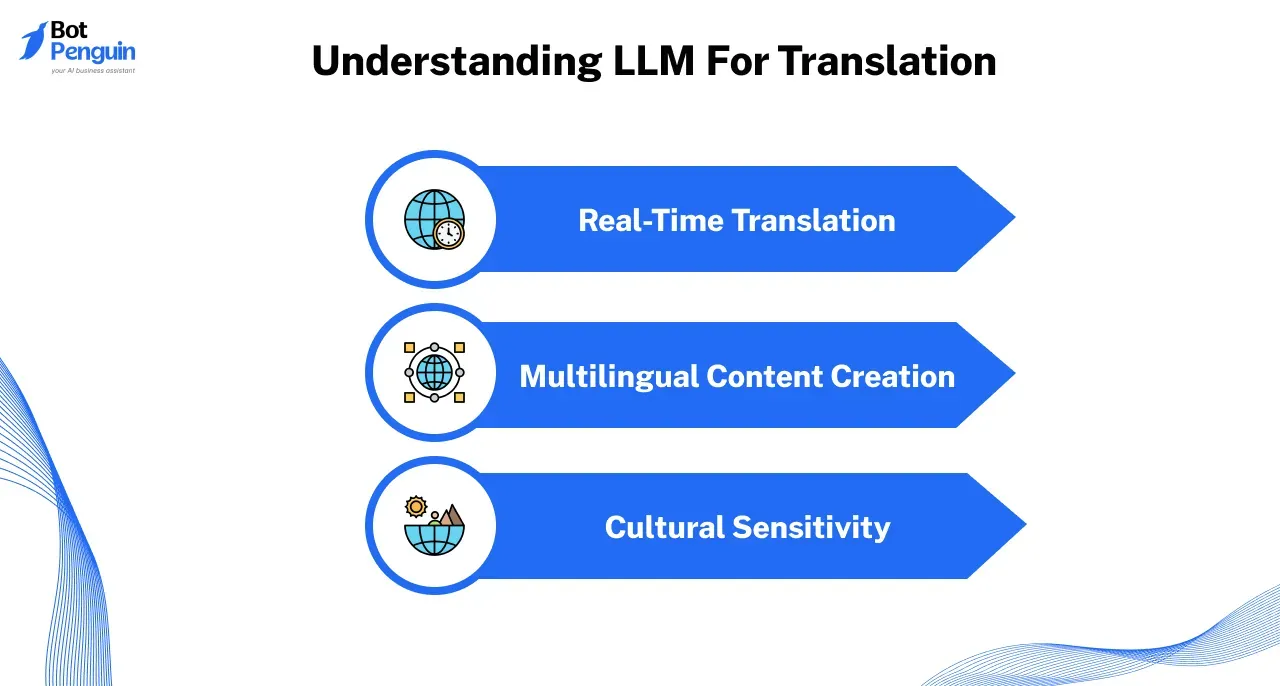
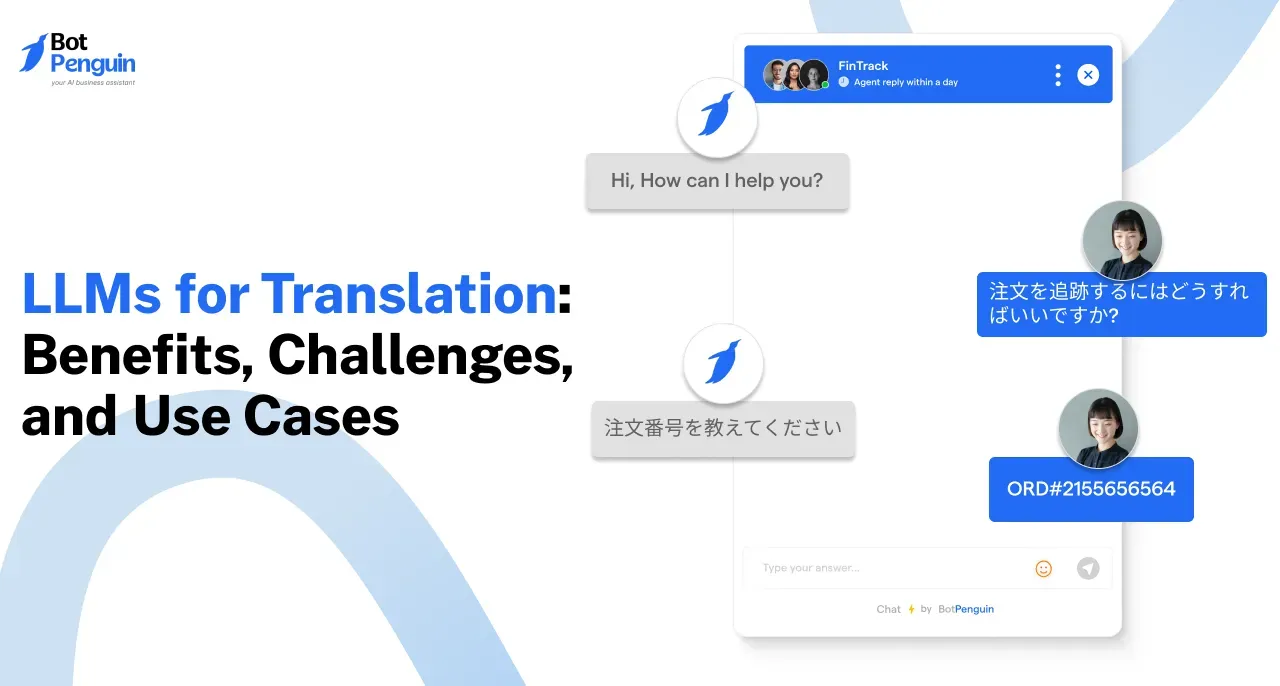
Reaching global markets requires more than just translating words, it demands cultural relevance. LLM use cases in language translation and localization make this possible.
By utilizing applications of LLM, businesses can break language barriers while ensuring content resonates with diverse audiences. Here is how.
Language translation and localization use applications of large language models to convert content into multiple languages and adapt it to specific cultural contexts.
These large language models use cases go beyond basic translation, offering nuanced and culturally appropriate outputs for different regions.
E-learning platforms often utilize this enterprise LLM use case to localize course materials.
By adapting lessons to different languages and cultural contexts, they ensure learners worldwide can access and engage with their content seamlessly.
Language translation and localization stand out as one of the best LLM use cases for businesses aiming to globalize.
By using this application of language model, companies can communicate effectively, reduce costs, and resonate with audiences worldwide. This use case of LLM is essential for businesses looking to thrive in an interconnected world.
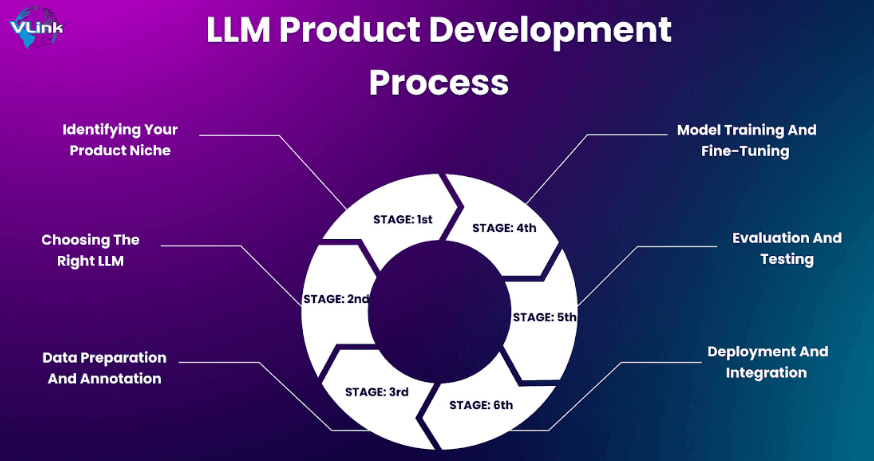
Innovation drives business growth, but the process can be time-consuming and challenging.
LLM use cases in product development offer a way to streamline brainstorming and prototyping. By incorporating applications of LLM, teams can unlock creativity and accelerate innovation.
Product development with large language models involves using AI to generate ideas, refine concepts, or draft prototypes.
These large language models use cases support teams during the early stages of planning, offering fresh perspectives and creative input.
Startups often use enterprise LLM use cases to draft pitch decks and refine product ideas.
By using applications of large language models, they gain valuable insights and suggestions that improve their chances of success.
Product development showcases one of the best LLM use cases, helping teams innovate faster and more effectively.
By integrating this application of language model, businesses can transform ideas into market-ready solutions while enhancing creativity and efficiency.
Managing company knowledge efficiently is crucial for smooth operations, but finding the right information quickly can be a challenge.
LLM use cases in knowledge management solve this problem by centralizing and organizing internal resources. Here is how businesses can benefit from this approach.
Internal knowledge management uses applications of large language models to organize and retrieve company documents, policies, and data.
These large language models use cases create centralized systems that employees can query for quick and accurate answers.
Many corporations use enterprise LLM use cases to power internal FAQs.
Using applications of language models; they create tools where employees can quickly access HR policies, IT support guides, or project details.
Internal knowledge management is one of the best LLM use cases, making it easier for teams to access information and stay productive.
By adopting this application of language model, businesses streamline operations and empower employees with fast, reliable resources.
Creating personalized experiences is essential for retaining customers in today’s competitive market.
LLM use cases enable businesses to tailor recommendations and services, offering a unique and engaging customer journey. Let us see how applications of LLM make this possible.
Personalized customer experiences involve using large language models to analyze user preferences and deliver customized recommendations.
These large language models use cases help businesses adapt their offerings to individual customer needs, enhancing satisfaction and loyalty.
Streaming platforms utilize enterprise LLM use cases to recommend shows and movies based on viewing history.
By using applications of large language models, these platforms create curated content lists, keeping users engaged and boosting retention.
Personalization is one of the best LLM use cases, enabling businesses to connect with customers on a deeper level. By integrating this application of language model, companies can foster loyalty, drive revenue, and stand out in the market.
From customer support to product innovation, LLM use cases are transforming the way businesses operate, making processes smarter, faster, and more efficient.
By using AI-powered solutions, companies can stay competitive, enhance customer experiences, and drive growth in an increasingly digital world.
The future of LLM use cases will go beyond automation and basic text generation. Businesses will use these models for real-time decision-making, advanced analytics, and industry-specific problem-solving.
As models improve, they will handle more complex tasks with higher accuracy, reducing errors and improving efficiency. In LLM enterprise use cases, AI will play a crucial role in fraud detection, compliance monitoring, and predictive analytics.
Companies will use LLMs to detect anomalies in financial transactions, assess legal risks, and optimize supply chain operations.
Customer interactions will also evolve. LLMs will power more personalized virtual assistants, delivering real-time, context-aware responses across industries like healthcare, finance, and e-commerce.
Businesses will integrate these models with proprietary databases and retrieval systems, ensuring AI delivers relevant and precise insights.
Security and ethical considerations will shape the next phase of development. Organizations will focus on bias reduction, improved data privacy, and model transparency, making AI safer and more reliable.
With ongoing advancements, LLMs will transform how businesses operate, enabling faster decision-making, improved automation, and smarter AI-driven strategies across various industries.
Large language models are reshaping how businesses operate, offering transformative solutions across industries.
From LLM use cases in customer support and personalization to fraud detection and innovation, the possibilities are vast. Businesses using these applications of LLM can improve efficiency, reduce costs, and stay competitive.
For companies looking to harness these capabilities effortlessly, platforms like BotPenguin provide an ideal solution. BotPenguin is an AI agent and a no-code AI chatbot maker that enables businesses to create intelligent, automated support systems tailored to their needs.
Whether it is enhancing customer engagement or streamlining operations, BotPenguin empowers businesses to thrive in a rapidly evolving digital landscape.
Yes, businesses use LLM use cases to analyze large datasets, identify patterns, and generate insights. AI-driven data analysis helps companies make informed decisions based on accurate and structured information.
Platforms like BotPenguin allow businesses to create AI-powered chatbots without coding, streamlining tasks like customer support and internal operations efficiently and affordably.
Businesses use LLM use cases for fraud detection by analyzing transaction patterns, identifying anomalies, and flagging suspicious activities in real-time. This enhances security and minimizes financial risks.
Yes, LLM use cases in language translation and localization allow businesses to communicate effectively with international audiences, breaking language barriers and ensuring culturally relevant content.
To maintain accuracy, businesses regularly update their AI models, fine-tune them with industry-specific data, and combine AI insights with human oversight. Continuous monitoring helps refine LLM use cases for better performance.
Subscribe to Our Newsletter
Get the latest business insights straight into your inbox.
Checkout our related blogs you will love.
Updated at May 28, 2026
16 min to read
Updated at May 26, 2026
14 min to read

Updated at Feb 24, 2026
13 min to read

Updated at Feb 19, 2026
13 min to read
Updated at Feb 18, 2026
14 min to read
Updated at Feb 18, 2026
15 min to read
Table of Contents
