


.webp)
10 RAG Use Cases and Real-World Applications with Examples (2026)
Updated at Aug 31, 2026
7 min to read

A chatbot can answer basic queries without much effort. However, when it comes to complex or dynamic questions, the same cannot be said about it. Have you ever wondered why?
It is because it relies too much on generic data, without a way to pull in real, updated information. This is where a Retrieval-Augmented Generation (RAG) chatbot can take over.
By combining generative AI with real-time data retrieval, RAG chatbots can provide smarter, more accurate responses. They bridge the gap between static AI and dynamic, real-time information.
In this guide, you will learn what a RAG chatbot is, why it is different, and how you can build one yourself, without needing to be an AI expert.
Imagine a chatbot that not only generates answers but actively retrieves up-to-date information to make its responses more accurate.
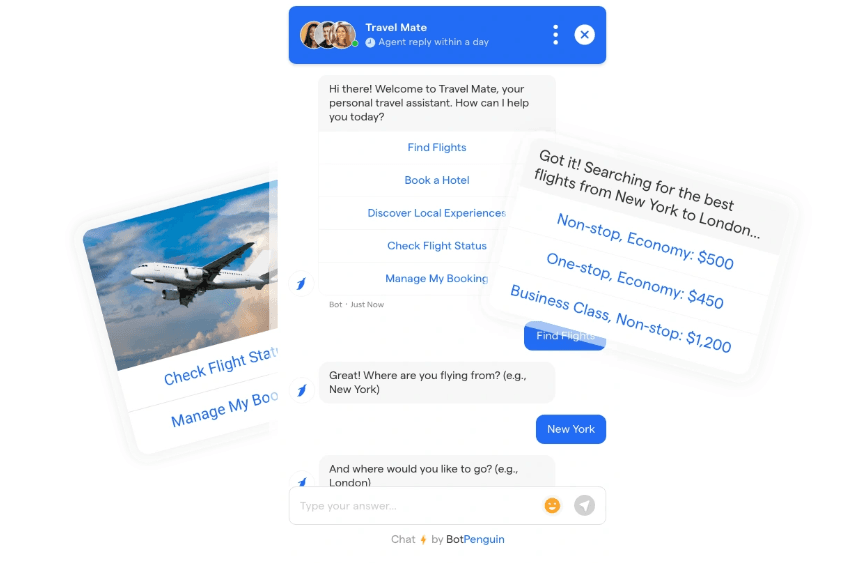
That is the essence of a RAG chatbot. Unlike standard bots, it combines retrieval and generative AI, enabling it to answer complex questions with precision and relevance.
Let us understand this better with an example. Consider an airline’s customer service chatbot. A traveler asks if their flight is on time. A standard chatbot might give a generic response: “Please check your booking details or visit our flight status page.” This forces the user to do extra work.
A RAG chatbot, however, can fetch real-time flight data and respond with: “Your flight, XYZ123, is currently on schedule and will depart from Gate 14 at 6.30 PM. Let me know if you need help with anything else!”
By retrieving live updates instead of providing static responses, a RAG chatbot eliminates frustration and creates a seamless, efficient user experience.
A RAG chatbot operates through two distinct processes. First, it retrieves relevant data from external sources like databases, APIs, or the internet.
Then, it uses generative AI to craft meaningful responses based on the retrieved information.
This approach ensures answers are both factually correct and contextually appropriate. For instance, while traditional bots rely on pre-trained static knowledge, chatbots with RAG stay updated by pulling fresh data as needed.
This makes them ideal for dynamic applications such as news analysis or customer queries requiring real-time accuracy.
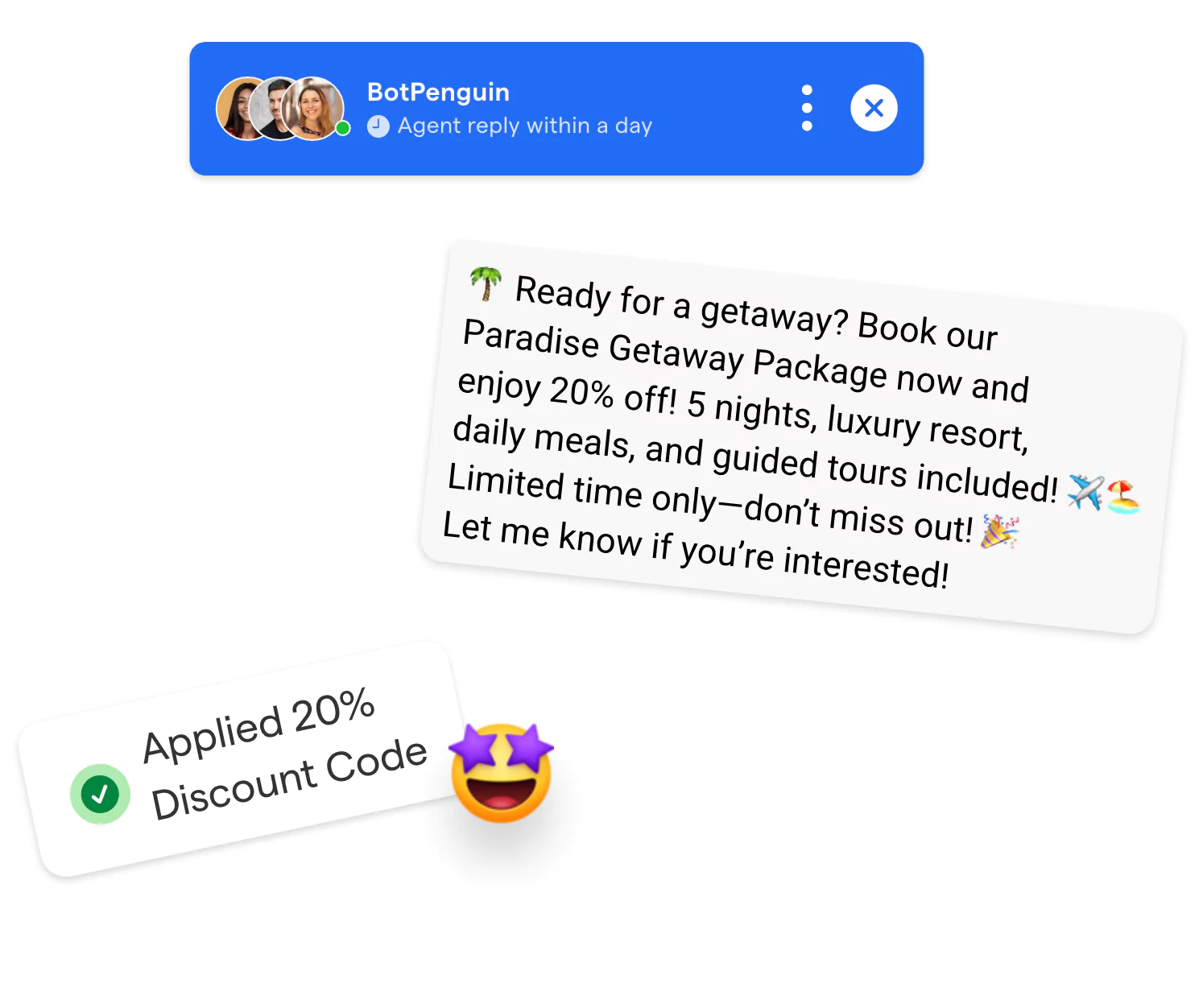
A RAG chatbot operates by seamlessly integrating retrieval and generative processes to deliver accurate, context-aware responses.
This dual mechanism allows it to combine external data with AI-driven conversational abilities, ensuring it stays dynamic and relevant.
However, while a RAG chatbot significantly reduces hallucinations, it does not eliminate them entirely.
The reliability of responses depends heavily on retrieval quality, meaning constant fine-tuning of retrieval mechanisms and knowledge sources is essential to maintain accuracy.
The first step for a RAG chatbot is retrieving information from external sources such as structured databases, vector databases, or public APIs.
Vector databases like FAISS, Pinecone, or Weaviate are crucial for storing and retrieving relevant documents, enabling the chatbot to fetch semantically similar information with high accuracy.
These sources can include structured databases, public APIs, or even real-time web content. The retrieval mechanism ensures the RAG chatbot finds the most relevant and up-to-date data.
Most RAG implementations do not retrieve data from the live internet unless explicitly designed with web scraping or API integration. Instead, they rely on pre-indexed knowledge bases to ensure faster and more reliable retrieval.
For example, in customer service, a RAG based chatbot might query a vector database storing product specifications or stock details to provide accurate, real-time responses.
This distinguishes RAG chatbots from traditional models, which rely on static, pre-trained knowledge and lack the ability to retrieve updated data dynamically.
After retrieving data, the RAG chatbot enters the generation stage. Here, generative AI models like GPT process the retrieved information to generate coherent, context-appropriate responses.
Instead of simply relaying raw data, the rag bot interprets the context of the user query. For instance, if asked about a product’s compatibility, a chatbot using RAG will retrieve the specs and articulate an answer tailored to the query, delivering clarity and relevance.
The true strength of a RAG chatbot lies in its ability to integrate these two stages seamlessly. By tightly coupling retrieval and generation, the rag based chatbot avoids generic answers and ensures each response is both data-backed and conversationally fluent.
This integration enables smoother, more accurate interactions. For example, when asked about policy updates, a chatbot using RAG will retrieve the latest policy documents, summarize the key points, and deliver them as user-friendly responses.
By seamlessly combining real-time data retrieval with AI-driven conversation, a RAG chatbot ensures users receive accurate, up-to-date, and context-aware responses—making interactions more informative, efficient, and engaging.
Now that we understand how a RAG chatbot combines retrieval and generation for intelligent interactions, let us simplify its workflow step by step to see how each stage functions in practice.
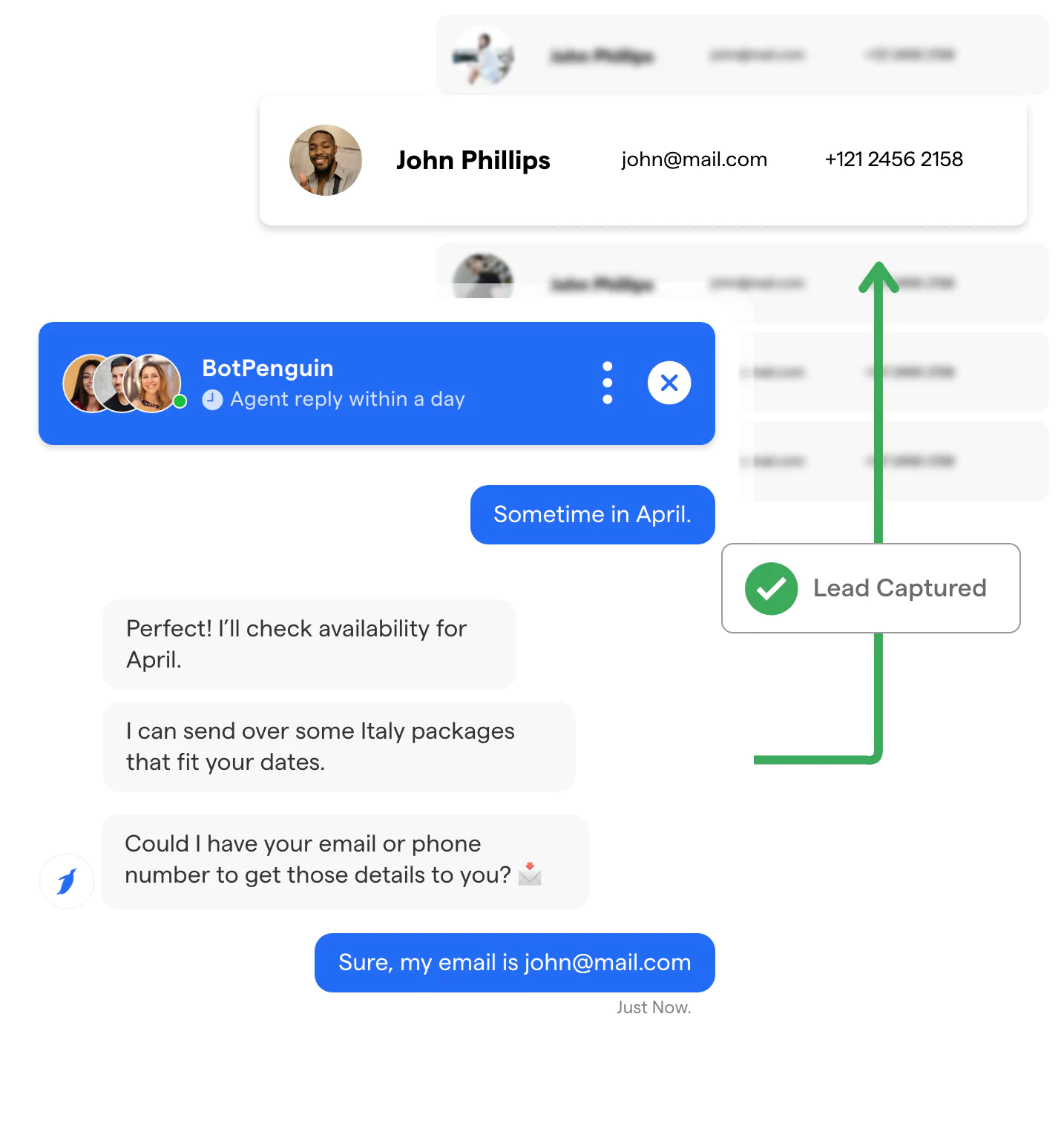
Building a RAG chatbot involves multiple stages, each playing a crucial role in delivering accurate, context-aware, and real-time responses. Here is how a rag chatbot works in a simplified flow:
The chatbot receives a question or request from the user, which can range from a simple factual inquiry to a complex, multi-step question requiring detailed information.
The chatbot searches for relevant information using external knowledge sources such as vector databases (e.g., FAISS, Pinecone, Weaviate) for semantic similarity search, structured databases (e.g., SQL, NoSQL) for retrieving specific records, APIs and internal document repositories for fetching real-time business data.
Once the chatbot retrieves data, it applies ranking and filtering mechanisms to ensure the most relevant and high-quality information is used.
This step ranks retrieved documents based on relevance to the user query, and removes redundant or low-confidence data to enhance response accuracy.
A generative AI model (such as GPT-4, Gemini 1.5, or Hugging Face models) processes the retrieved, filtered data and crafts a coherent, context-aware response.
This step ensures that the chatbot doesn’t just relay raw data but interprets it for clarity, and the response remains natural, engaging, and relevant to the conversation.
The RAG chatbot presents the final response to the user. Advanced implementations may also cite sources for transparency, summarize large documents into concise, easy-to-understand insights, and adapt responses based on user feedback for continuous improvement.
By combining retrieval and generative capabilities, building a RAG chatbot results in a tool that is far more powerful and adaptive than standard chatbots. This dual-stage process is key to making RAG for chatbot applications successful in various practical scenarios.
The primary difference lies in adaptability. Standard AI bots rely on static, pre-trained models, limiting their ability to provide accurate responses for dynamic queries. In contrast, RAG chat bots dynamically retrieve relevant information before generating responses.
While traditional bots can access external knowledge bases, they often rely on pre-programmed rules rather than dynamically retrieving relevant information in real-time.
In contrast, a RAG chatbot retrieves contextually relevant documents before generating a response, ensuring that the answers are not only AI-generated but also backed by up-to-date data.
However, the quality of a RAG chatbot depends heavily on the retrieval accuracy and the relevance of the retrieved documents. Without high-quality retrieval, even the best generative model may hallucinate or provide misleading responses.
Moreover, building a RAG chatbot doesn’t just mean better answers; it means using up-to-date resources for a competitive edge. For example, while a traditional bot might miss contextual nuances, a rag based chatbot integrates actual data to deliver nuanced and actionable insights.
This blend of retrieval and generation ensures RAG chatbots remain relevant, accurate, and far more effective than their standard counterparts.
For organizations that require AI-driven engagement with structured data integration, solutions like BotPenguin provide an accessible way to automate customer queries, lead generation, and support workflows without the complexities of large-scale retrieval models.
Businesses across various industries are increasingly adopting RAG based chatbots to enhance efficiency, improve customer experiences, and streamline operations.
Below are some key applications where a RAG chatbot provides a competitive advantage.
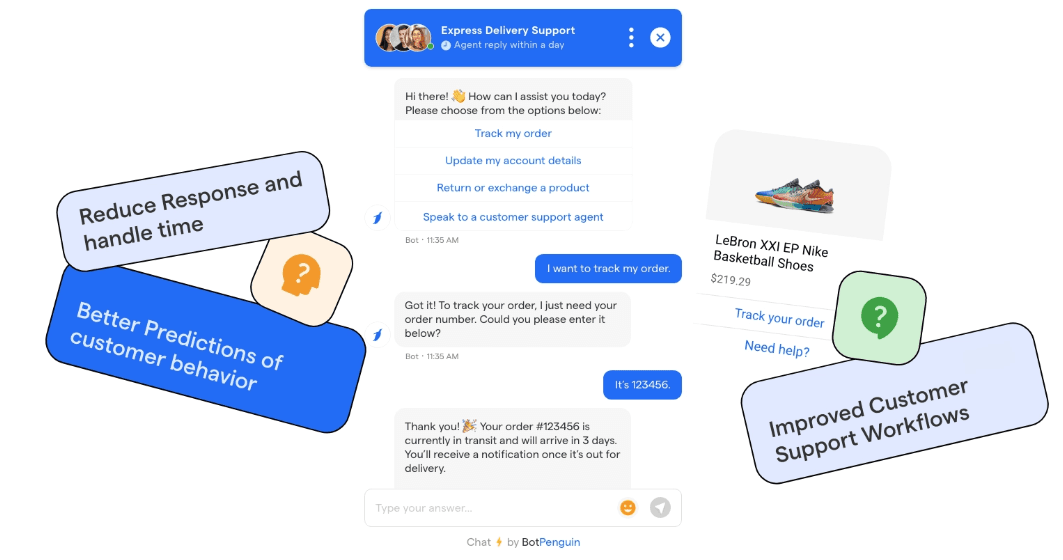
A RAG chatbot can handle complex customer service queries by dynamically retrieving relevant information from product manuals, internal knowledge bases, or support tickets.
Unlike traditional chatbots that rely on pre-scripted responses, a RAG-based chatbot can:
Example: A telecom provider uses a RAG chatbot to answer billing inquiries, retrieve contract details, and suggest best-fit plans based on real-time offers.
Researchers rely on RAG chatbots to process large datasets, retrieve relevant papers, and generate concise insights. Instead of manually searching through hundreds of academic articles, a RAG chatbot can:
Example: A pharmaceutical company employs a RAG chatbot to scan medical journals, extract key findings, and assist researchers in drug discovery.
In online retail, a RAG chatbot enhances user experience by retrieving live inventory updates, pricing details, and delivery timelines. Unlike traditional bots, which rely on static FAQs, a RAG-based chatbot can:
Example: An e-commerce platform integrates a RAG chatbot that provides real-time product availability, suggests personalized bundles, and fetches customer reviews to help shoppers make informed decisions.
By applying RAG chatbots in these fields, companies can enhance efficiency, reduce manual workload, and improve overall user satisfaction while delivering real-time, data-backed insights.
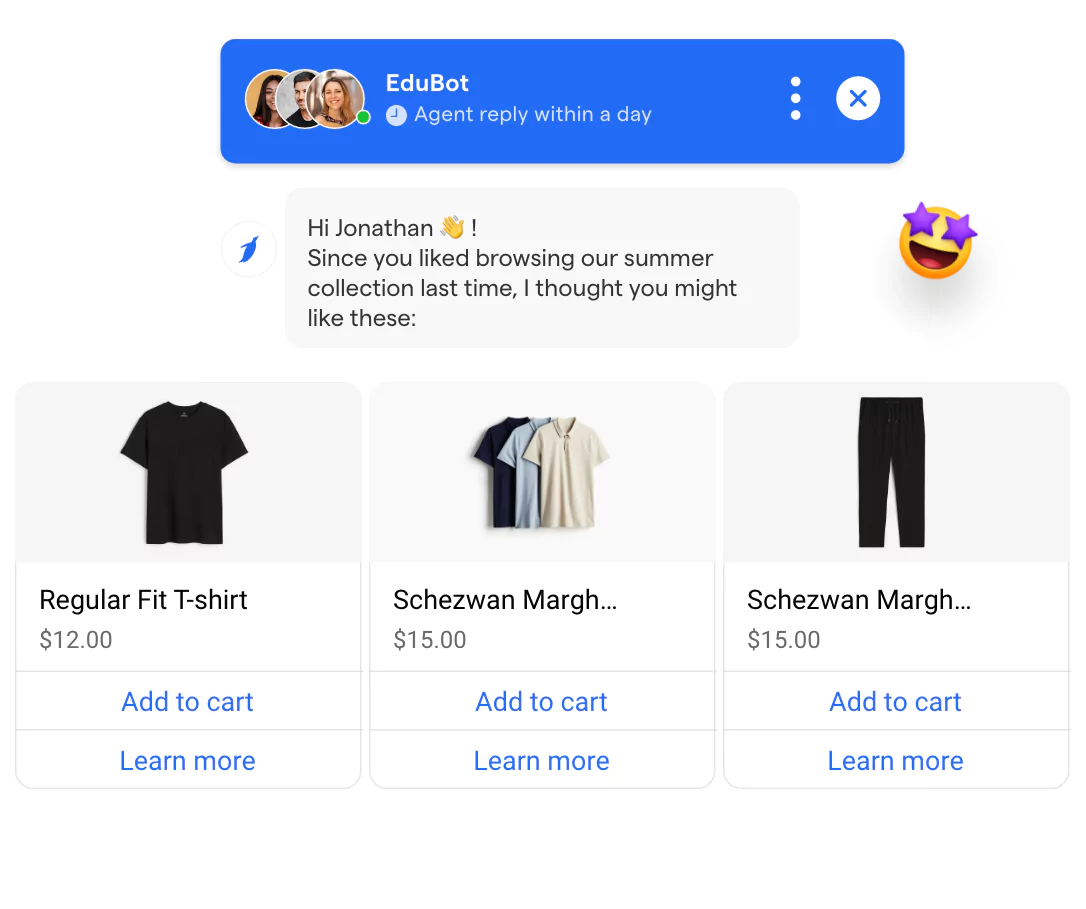
A RAG chatbot is not just another AI tool; it is a smarter, more efficient way to handle dynamic and complex conversations.
By combining retrieval and generative AI, building a RAG chatbot unlocks a range of benefits that traditional chatbots simply can’t match. Let us explore a few benefits below:
A RAG LLM chatbot pulls real-time, relevant data from trusted sources before crafting its responses. This ensures that the information it delivers is both accurate and up-to-date, unlike static AI systems that rely solely on pre-trained data.
By combining retrieval with advanced language models, a RAG LLM chatbot enhances contextual understanding and delivers more precise, well-informed answers.
Complex questions often stump traditional bots. A rag bot, however, thrives in such situations.
By retrieving external knowledge and interpreting it through generative AI, a rag chatbot delivers precise answers even for nuanced or technical queries.
Whether in healthcare, e-commerce, or customer service, chatbots with RAG adapt effortlessly.
A rag based chatbot can scale its capabilities, retrieving and generating content tailored to specific industry needs, from legal advice to troubleshooting technical issues.
Users demand personalized, context-aware interactions. A chatbot using RAG analyzes the query context, retrieves the right data, and delivers conversationally fluent responses. This level of relevance dramatically boosts user satisfaction and engagement.
With its ability to retrieve real-time information, handle complex queries, and provide context-aware responses, a RAG based chatbot offers a powerful upgrade over traditional bots, making interactions more accurate, scalable, and user-friendly across industries.
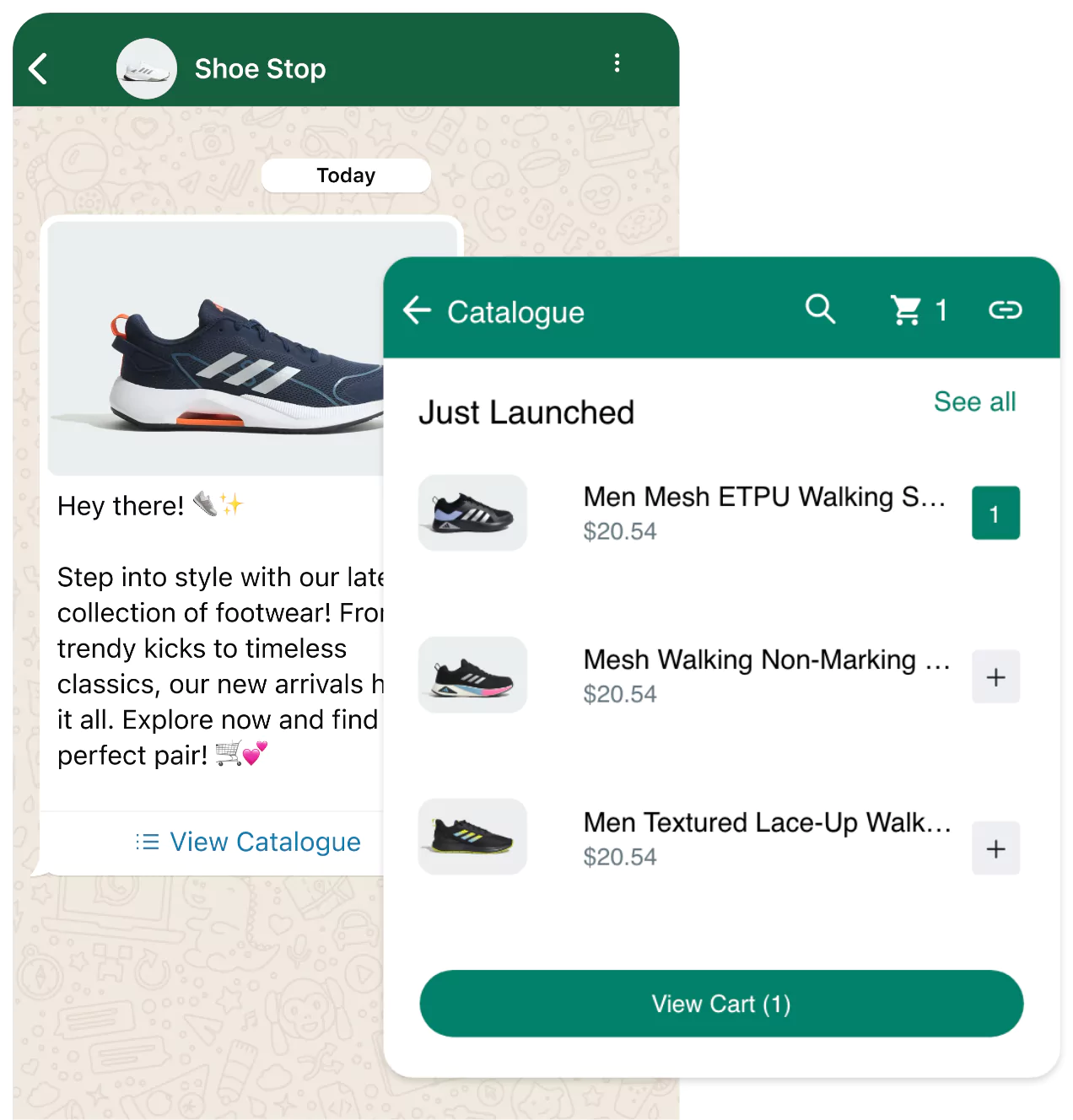
Creating a RAG chatbot requires the right blend of tools, frameworks, and data sources.
With the right technology stack, building a RAG based chatbot becomes a streamlined process that delivers powerful and accurate results. Let us explore more about this:
To build an effective RAG based chatbot, using the right tools is essential. They are given below:
With the right AI frameworks, retrieval systems, and chatbot platforms, you can create a RAG chatbot that delivers accurate, real-time, and context-aware interactions.
A RAG chatbot relies on diverse data sources to retrieve accurate and relevant information in real-time. These sources can be categorized as follows:
By using structured databases, unstructured data, and external APIs, a RAG based chatbot ensures its responses remain accurate, comprehensive, and up-to-date, enhancing user experience across various applications.
Choosing the right programming languages and frameworks is essential for building a robust and efficient RAG chatbot. A few of them are given below:
Selecting the right languages and frameworks ensures a seamless development process, enabling a RAG chatbot to deliver accurate, intelligent, and efficient responses.
The right choice of tools is crucial for building an efficient and high-performing RAG based chatbot. A few tips are given below to help you in your selection.
By combining the right tools, technologies, and frameworks, building a RAG LLM chatbot becomes both manageable and highly rewarding. The result is a dynamic, context-aware system that stands out in the AI chatbot landscape.
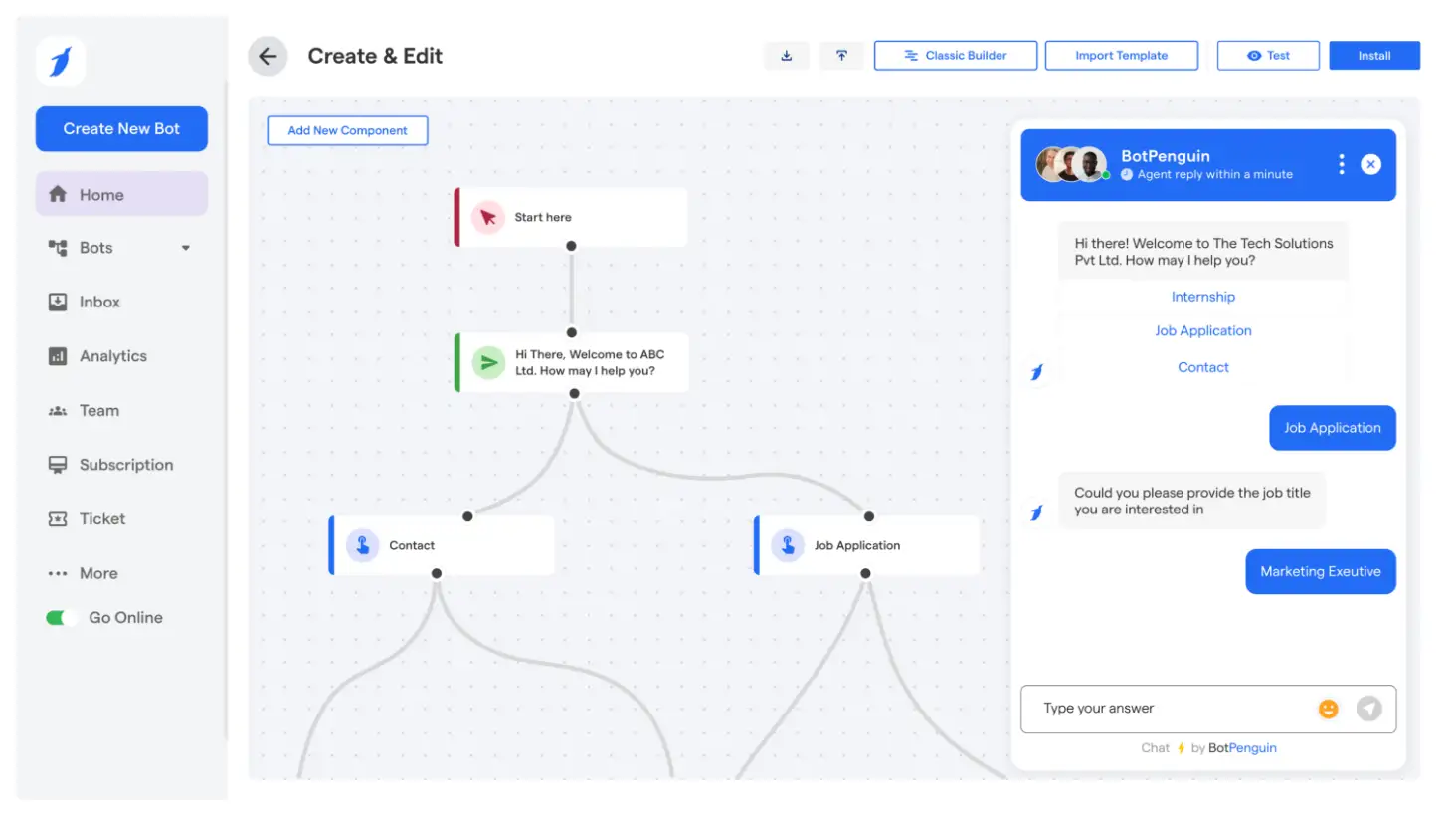
Building a RAG chatbot involves a systematic approach that combines data retrieval and generative AI.
By breaking the process into well-defined steps, you can create a chatbot that is both efficient and highly accurate. Here is a detailed guide to help you through each stage of building a rag chatbot.
The first step is to decide what problem your rag chat bot will address. Is it designed for customer support, assisting researchers, or handling e-commerce queries?
Clearly de fine its purpose and scope. Platforms like BotPenguin make this process easier by providing industry-specific templates and flexible chatbot-building options.
For example, a customer service rag chatbot might focus on resolving technical issues or product inquiries, while a research assistant bot could retrieve and summarize articles.
Defining the use case will help you choose the right tools, data sources, and AI models.
Next, identify the data sources your rag based chatbot will need, such as structured databases, unstructured documents, or external APIs.
To make your data sources accessible for retrieval, follow these steps:
Ensure the data is relevant, accurate, and sufficient to cover the scope of the chatbot’s use case.
To allow the chatbot to fetch relevant information, set up a robust retrieval system. You can do the following:
These tools index your data, enabling the chatbot using RAG to quickly locate the most pertinent information for any query. This is a crucial step to ensure fast and reliable performance.
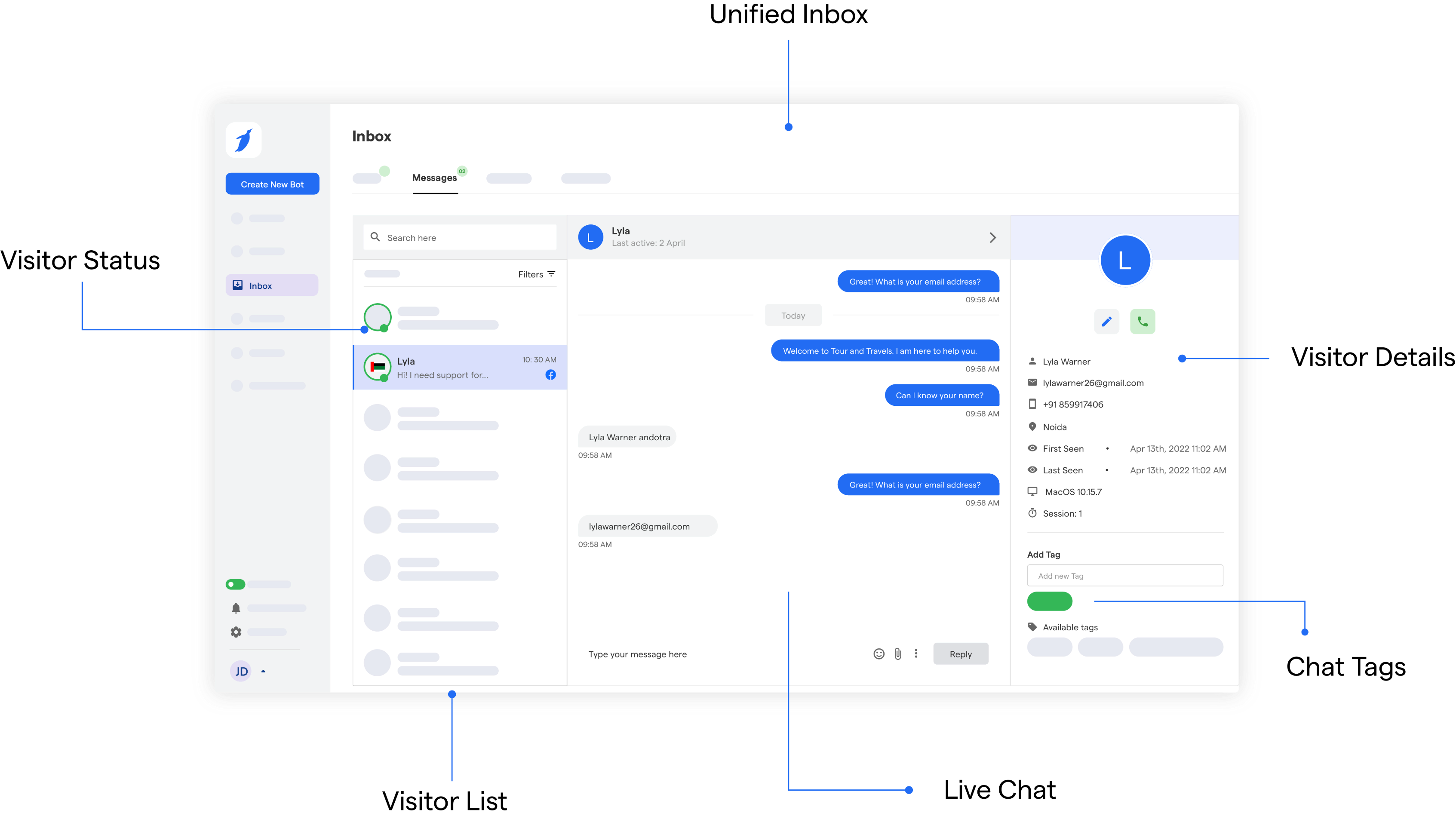
Now that your retrieval system is in place, the next step is to build the chatbot itself using BotPenguin. This includes:
With BotPenguin’s AI-driven capabilities, your chatbot is ready to understand queries, retrieve relevant information, and deliver natural, context-aware responses.
To enable your chatbot to generate intelligent responses, you need to implement generative AI.
BotPenguin simplifies this process with its built-in AI models, eliminating the need for manual integration with frameworks like OpenAI’s GPT or Hugging Face Transformers. Here is how to set it up:
With these enhancements, your RAG based chatbot can deliver well-structured, meaningful, and highly relevant responses, ensuring an engaging user experience.
Once your external retrieval system is set up via APIs, you need to integrate it with BotPenguin’s AI response generation. Here is how the process works:
This integration is what makes chatbots with RAG superior, combining real-time data access with natural language capabilities.
Test the rag chat bot to evaluate its performance. You can do the following:
Regular testing and optimization ensure that your RAG bot delivers precise, context-aware, and engaging responses, enhancing the overall user experience.
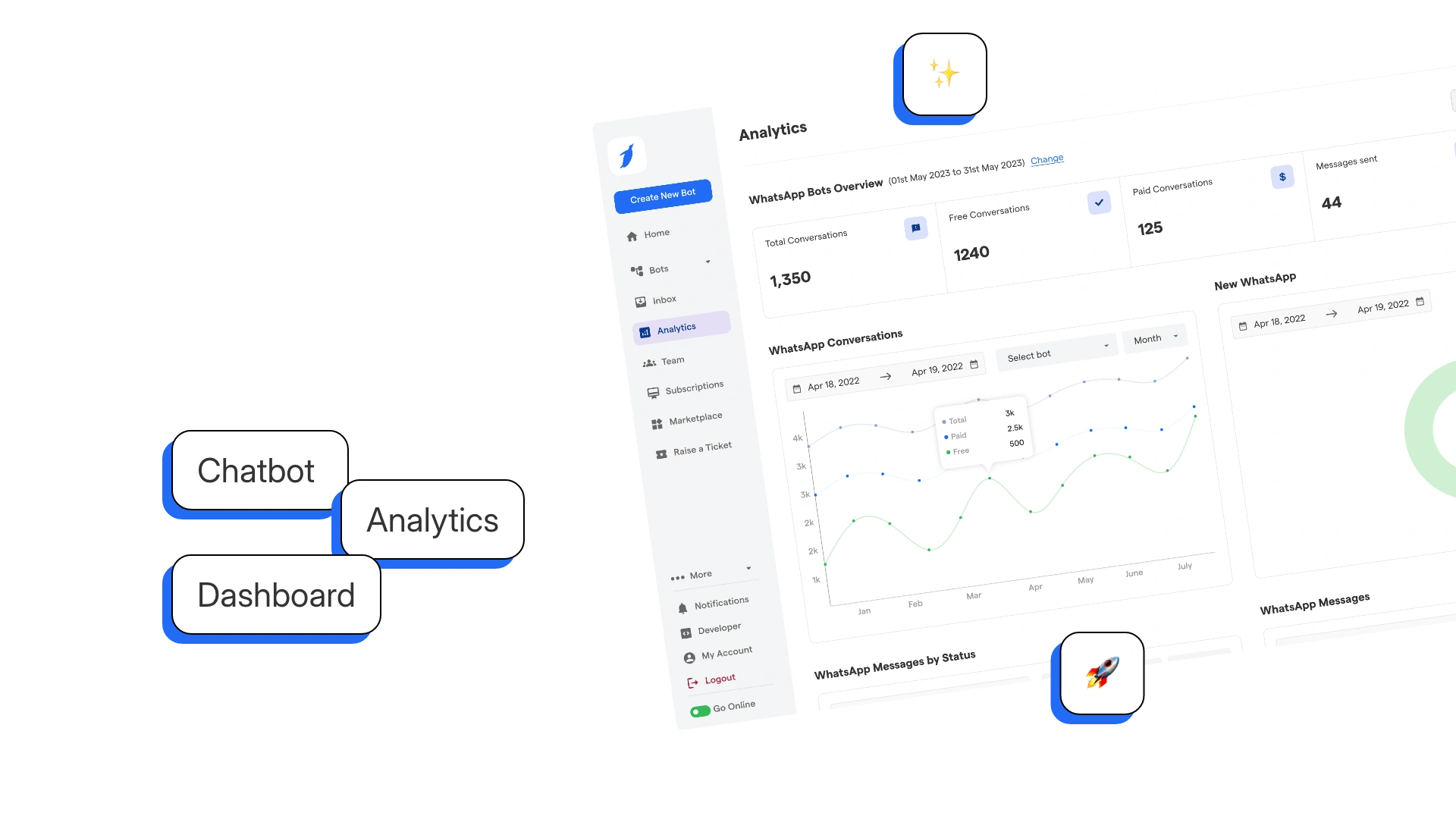
Finally, deploy your RAG for chatbot application.
Ensure the interface is user-friendly and supports the chatbot’s functionality. Deployment marks the point where your rag chatbot becomes operational and ready for user interaction.
By following these steps, you can successfully build a high-performing RAG chatbot that seamlessly combines retrieval and generative AI.
With continuous monitoring and optimization, your chatbot will evolve to provide even more accurate, context-aware, and engaging responses, enhancing user satisfaction and driving better interactions.

While RAG chatbots provide more accurate, data-driven responses than traditional AI bots, they come with their own challenges and limitations.
Understanding these constraints is key to optimizing their performance and ensuring a seamless user experience.
Retrieval is a critical step for a RAG chatbot, but it often faces challenges like:
A RAG chatbot is only as good as its knowledge base. Without frequent updates, the chatbot can:
To maintain reliability, businesses must:
While RAG chatbots improve AI-generated responses, generative AI models still have inherent limitations:
Despite these challenges, careful optimization, regular data updates, and fine-tuning can significantly enhance a RAG chatbot’s performance. When you address these limitations proactively, you can ensure a more reliable, accurate, and efficient chatbot that delivers a seamless user experience.

The future of RAG chatbots looks promising as emerging trends and technological advancements push their capabilities further. Here is what lies ahead for this innovative AI approach.
Advances in retrieval systems, such as improved ranking algorithms and faster indexing, are making building a rag chatbot more efficient.
Integration with advanced APIs and real-time data feeds is enabling chatbots with RAG to handle increasingly complex queries.
Scalability remains a focus. Enhanced cloud-based solutions and modular architectures will make rag based chatbot deployment seamless for businesses of all sizes.
Better integration with existing tools, such as CRM systems or analytics platforms, will expand their use cases across industries.
In the future, RAG for chatbot applications will likely dominate industries such as healthcare, e-commerce, and education.
These bots will handle intricate queries, provide instant access to vast data, and support decision-making processes. As retrieval-augmented AI evolves, the relevance and impact of RAG chatbots will only grow.
As retrieval-augmented AI continues to advance, RAG chatbots will become even more sophisticated, providing faster, more accurate, and context-aware interactions.
With ongoing innovations in retrieval, scalability, and integration, these chatbots are set to revolutionize the way businesses and users access information, making them an indispensable part of the digital landscape.
RAG chatbots represent a new standard in AI-driven interactions, combining real-time data retrieval with intelligent response generation. By understanding their benefits, challenges, and tools, businesses can create chatbots that are accurate, dynamic, and user-friendly.
For those looking to simplify the process, platforms like BotPenguin offer a no-code solution. With BotPenguin, businesses can easily build and deploy RAG chatbots without needing extensive technical expertise.
It streamlines the integration of AI capabilities, enabling companies to enhance customer support, boost productivity, and scale across industries.
Embracing tools like BotPenguin can make the journey to smarter chatbots seamless and accessible.
Key tools include AI frameworks like OpenAI or Hugging Face, retrieval systems like Elasticsearch or Pinecone, and AI agent and chatbot platforms like BotPenguin for easy deployment. Python and TensorFlow are common for development.
Yes, platforms like BotPenguin provide no-code solutions for creating and deploying RAG chatbots, making them accessible even for non-technical users to enhance customer interactions and business operations.
Regularly updating your chatbot’s knowledge base, fine-tuning retrieval algorithms, and integrating high-quality data sources ensure your RAG chatbot delivers accurate and reliable responses.
A RAG chatbot is highly effective in industries like customer support, healthcare, e-commerce, research, and education. It helps businesses provide precise answers, automate workflows, and improve user engagement.
Yes, a RAG chatbot can integrate with CRM systems, customer support platforms, and analytics tools. This enhances its ability to fetch, process, and generate responses based on business-specific data.
Subscribe to Our Newsletter
Get the latest business insights straight into your inbox.
Checkout our related blogs you will love.
Updated at Aug 31, 2026
7 min to read
Updated at Aug 20, 2026
10 min to read
Updated at Aug 20, 2026
12 min to read
Updated at Aug 20, 2026
10 min to read
Updated at Aug 19, 2026
11 min to read
Updated at Aug 14, 2026
8 min to read
Table of Contents

