

An API key is a unique identifier and secret token used to authenticate an application or user and control their access to an API endpoint.
What is an API Key?
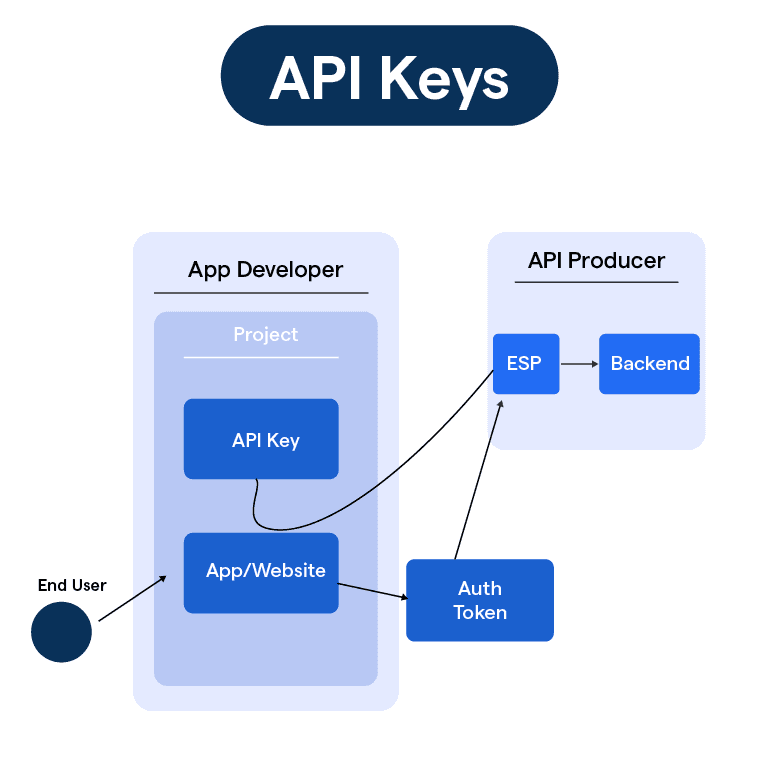
An API key is a type of authentication credential used by developers and software applications to identify themselves when making calls to an API.
It acts as both a unique identifier and a secret token, telling the API server which application is making the request, whether that application has access rights, and whether the request should be authorized or rejected. API keys control utilization of an API interface, track usage patterns, filter activity logs, block anonymous traffic, and govern the number of calls made to an endpoint.
They are distinct from OAuth tokens and authentication schemes in that they identify a project or application rather than an individual user.
BotPenguin is a no-code AI chatbot platform that uses API keys and webhook authentication to connect bots securely with external tools across its 80+ native integrations.
How BotPenguin Uses This
BotPenguin's API integration layer uses authenticated API calls to connect chatbot workflows with CRMs, payment gateways, scheduling tools, and data sources. Businesses configure custom API integrations with access controls directly inside chatbot flows.
API key-based authentication ensures only authorized systems push or pull data across BotPenguin's connected tools, including HubSpot, Salesforce, Shopify, and Zapier.
Related Terms: API · REST API · OAuth · API Service Call · API Rate Limiter